Adjusting for Visibility Conditions When Setting Totals in Lower-Tier English Soccer Leagues
Ben Flores · Jul 11, 2026
Adjusting for Visibility Conditions When Setting Totals in Lower-Tier English Soccer Leagues
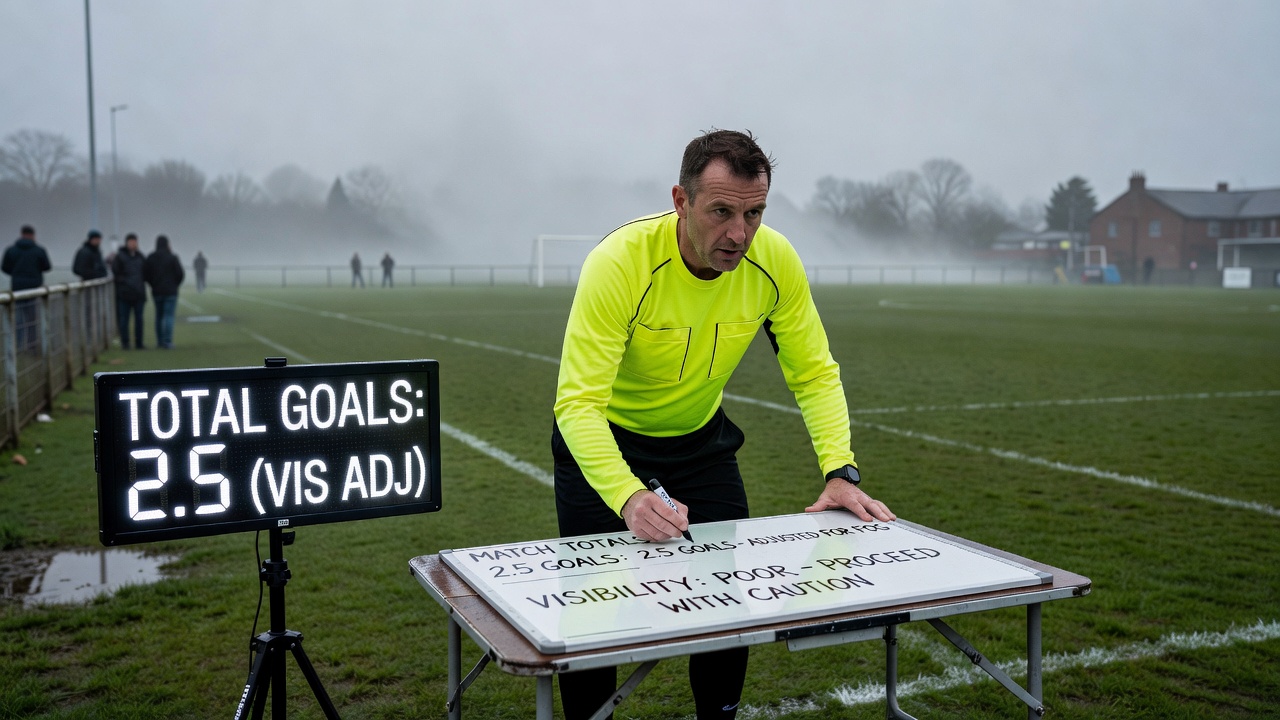
Lower-tier English soccer leagues such as League One, League Two, and the National League feature stadiums with varying lighting quality and exposure to weather patterns that directly influence match totals. Observers note that reduced visibility from fog, heavy rain, or inadequate floodlights prompts teams to adopt more conservative approaches, which in turn lowers the average number of goals scored. Data from historical match records shows that totals markets require specific adjustments when forecasts predict visibility below 200 meters, since such conditions correlate with fewer attacking transitions and increased defensive positioning.
Analysts examine past fixtures under similar weather constraints to establish baseline reductions, typically subtracting 0.3 to 0.7 goals from expected totals depending on league level and time of day. Evening matches in winter months present higher risk because many grounds lack the illumination standards found in the Premier League, while daytime games in coastal areas encounter sea mist that lingers across the pitch. Researchers at institutions studying environmental impacts on sports have documented how these factors compress the effective playing area and slow ball movement, leading to prolonged periods of possession without penetration.
Key Visibility Factors in Lower Leagues
Lower-league venues often sit in valleys or near industrial zones where fog forms more readily, and groundskeepers report that drainage systems cannot always cope with prolonged rainfall that reduces sightlines further. Figures reveal that National League matches played in October through February show a measurable drop in goals when visibility warnings are issued by local meteorological services. Those who track these patterns compile datasets that separate matches into visibility categories, allowing modelers to apply multiplicative factors rather than simple linear deductions.
Coaches in these divisions adjust tactics accordingly, instructing players to clear the ball more frequently and avoid intricate passing sequences that risk turnovers in poor light. This shift produces fewer set-piece opportunities in dangerous areas and reduces the frequency of high-quality chances. Studies tracking player tracking data confirm that sprint distances and high-intensity runs decline under restricted visibility, which limits counter-attacking potential and keeps scores closer together.
Data Sources and Adjustment Models
Statistical models incorporate hourly visibility readings from nearby weather stations, cross-referenced with official match reports that note any delays or stoppages caused by fog. One approach involves weighting recent form by weather-adjusted expected goals, ensuring that a team's attacking output is discounted when prior matches occurred under clearer conditions. Those who maintain these models update coefficients each season because ground improvements and changes in league scheduling can alter baseline sensitivities.
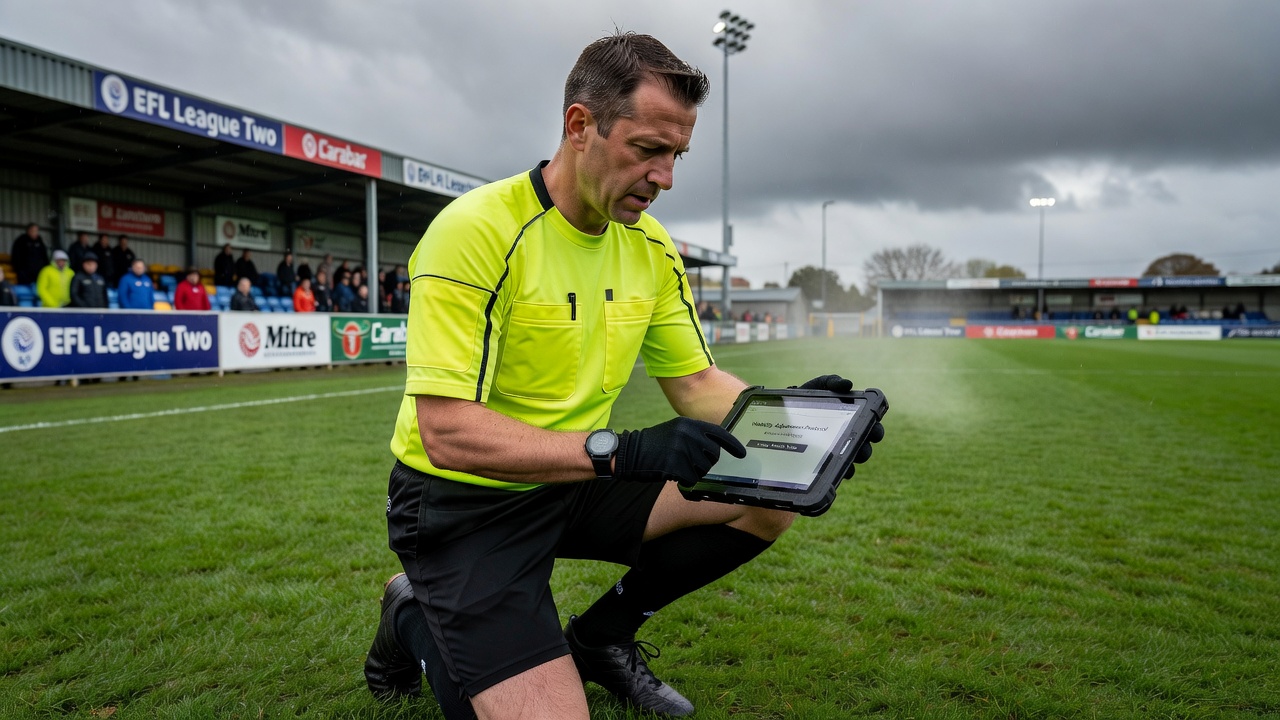
External datasets from organizations such as Australia's Bureau of Meteorology provide comparative frameworks for how visibility thresholds affect field sports, even though the leagues differ. Analysts adapt these methodologies by layering in English-specific variables such as pitch dimensions and referee tendencies to stop play when players signal communication difficulties. The resulting projections feed directly into totals lines offered by bookmakers who serve these markets.
Practical Application During the 2026 Season Cycle
As clubs prepare for the 2026-2027 campaign beginning in July 2026, pre-season schedules include sessions designed to acclimate players to variable lighting and weather drills. Historical data collected through the previous winter shows that teams with experienced lower-league managers tend to adapt faster, maintaining slightly higher goal outputs even when visibility drops. Modelers therefore include managerial tenure and squad continuity as secondary variables when calculating adjustments.
Live monitoring of visibility during matchdays allows further refinements, with totals lines shifting if conditions deteriorate unexpectedly after kickoff. Observers tracking these movements find that early goals become more valuable because later stages often see both sides prioritizing safety over ambition. This dynamic creates opportunities for in-play adjustments that reflect the evolving visibility picture rather than relying solely on pre-match forecasts.
Conclusion
Effective totals setting in lower-tier English soccer requires continuous integration of visibility data with tactical and environmental variables. Research indicates that systematic adjustments based on documented patterns produce more accurate projections than models that treat all matches as equivalent regardless of conditions. Those who apply these methods consistently report improved calibration across multiple seasons, particularly when forecasts extend several days ahead and allow for granular hourly inputs. The process remains iterative, with new match data and venue upgrades feeding back into the models each year.