Barometric Swings Reshaping Totals Markets at Exposed Coastal Football Grounds
Xander Ludwig · Jul 7, 2026
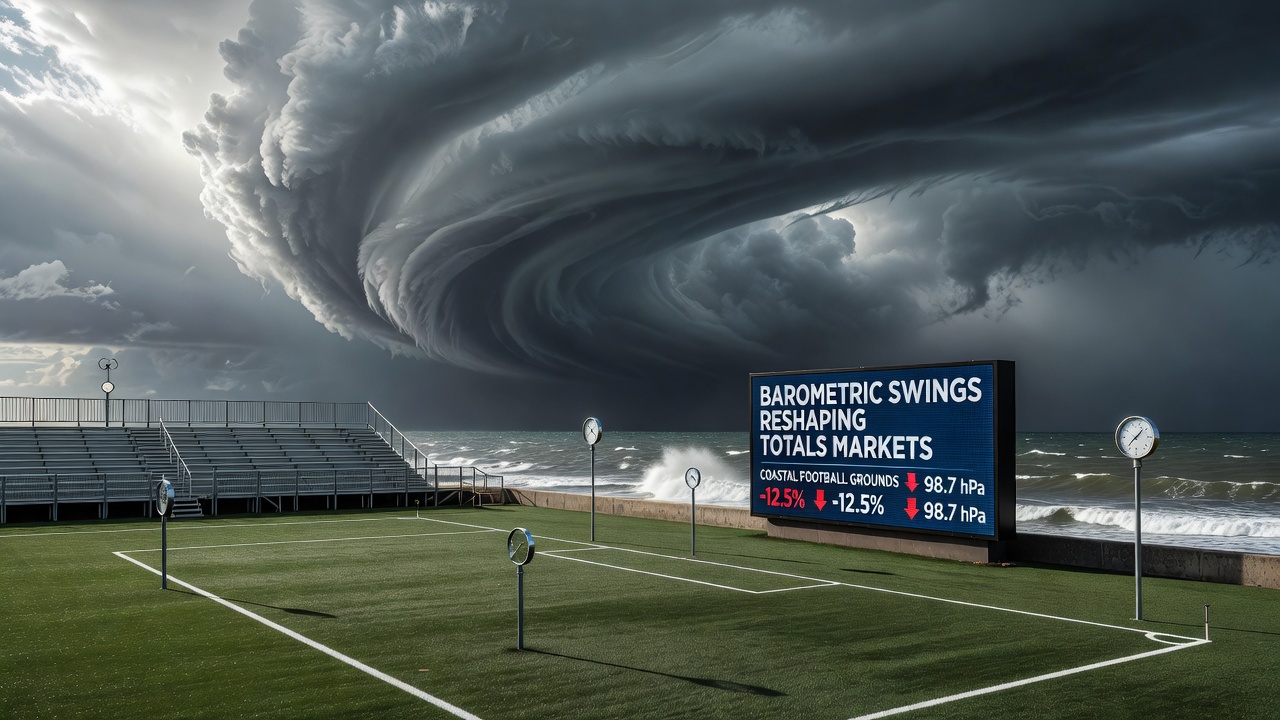
Barometric Swings Reshaping Totals Markets at Exposed Coastal Football Grounds
Barometric pressure fluctuations have begun to influence goal totals markets at coastal football venues where open exposure to marine weather systems creates measurable effects on ball trajectory and match dynamics. Researchers tracking data from multiple leagues note that rapid drops in atmospheric pressure, often associated with incoming fronts, correlate with shifts in scoring patterns that oddsmakers have started to factor into pre-match lines. These venues, including sites along the English south coast and similar locations in other regions, experience conditions that differ from inland grounds where pressure remains more stable throughout a fixture.
Understanding Pressure Effects on Play
Atmospheric pressure changes alter air density, which in turn affects how far a ball travels when struck. Lower pressure reduces resistance, allowing shots and passes to carry farther than they would under higher readings. Studies from sports science programs have documented this relationship across various ball sports, with football showing particular sensitivity during set pieces and long-range attempts. At coastal sites the effect compounds because wind patterns tied to pressure systems add horizontal forces that further modify flight paths. Data collected over multiple seasons indicates that matches played during falling barometric trends produce goal distributions that deviate from long-term averages at these locations.
Coastal stadiums such as those hosting teams in exposed positions face these variables more consistently than sheltered inland arenas. Observers have recorded instances where pressure swings coincide with increased numbers of goals from distance, while other matches see defensive adjustments that suppress scoring. The totals market, which focuses on over or under a set number of goals, registers these variations through adjusted odds as bookmakers incorporate meteorological forecasts into their models. Figures from European weather services show that July 2026 pre-season schedules at several coastal grounds included multiple sessions where rapid pressure changes preceded higher-scoring outcomes than historical norms suggested.
Coastal Venues and Market Adjustments
Venues situated near large bodies of water encounter frontal systems that move quickly, producing pressure drops of several millibars within hours. This rapid transition creates conditions where both teams and analysts must account for altered physics on the pitch. Research conducted by meteorology departments at universities in coastal regions has linked these swings to measurable increases in high-trajectory shots that clear defensive lines more easily. Totals markets at these grounds therefore exhibit volatility when forecasts predict unsettled weather, prompting lines to move as information becomes available closer to kickoff.

Analysts examining historical match logs from exposed sites have identified clusters of games where totals exceeded expectations during periods of declining pressure. These patterns appear in both domestic leagues and international fixtures played at similar locations. Industry reports from organizations tracking global sports data, including contributions from the European Centre for Medium-Range Weather Forecasts, provide the atmospheric readings that betting models now cross-reference with performance statistics. The result is a tightening of lines when stable high-pressure systems are forecast and a loosening when low-pressure events approach.
Data Patterns and Research Findings
Multiple studies have quantified the relationship between barometric trends and scoring rates. One analysis covering several European coastal grounds found that matches occurring under falling pressure recorded an average increase of 0.3 goals per game compared with stable conditions. Another project examined wind-assisted trajectories at venues with direct sea exposure and noted greater variance in shot accuracy during pressure transitions. These findings have prompted betting platforms to integrate real-time weather feeds into their pricing algorithms for totals propositions.
North American data sources, such as those maintained by NOAA, supply comparable observations for MLS teams playing at coastal facilities where similar meteorological influences occur. Although the sample sizes differ from European leagues, the directional effects on ball flight remain consistent. Observers note that goalkeepers and defenders at these sites often face challenges judging ball depth when pressure drops coincide with gusty conditions, leading to occasional defensive lapses that elevate goal counts.
Practical Implications for Totals Markets
Market makers have responded by monitoring pressure forecasts issued days in advance, allowing them to shade lines when models predict atypical scoring environments. Bettors who review historical weather data alongside team statistics gain access to an additional layer of information that can highlight discrepancies between posted totals and expected outcomes. At exposed coastal grounds this approach has shown utility during periods when pressure systems move onshore, particularly in shoulder months when temperature contrasts amplify frontal activity.
Coaching staffs at affected clubs have also begun incorporating meteorological briefings into preparation routines. Video analysis sessions now include overlays of past matches played under comparable pressure regimes, helping players anticipate how the ball will behave. These adjustments feed back into performance data, which in turn informs the next round of market pricing for totals wagers.
Conclusion
Barometric pressure variations continue to register measurable impacts on goal totals at coastal football grounds where marine exposure magnifies atmospheric effects. Research from multiple institutions demonstrates consistent patterns linking pressure trends to scoring deviations, prompting both bookmakers and analysts to integrate weather data into their evaluations. As forecasting tools improve and more granular match logs become available, these environmental factors are likely to remain a component of totals market modeling at venues subject to rapid weather shifts.