Breeding Blueprints: Sire Stats Unlock Juvenile Horse Race Edges
Ben Flores · Apr 18, 2026

Breeding Blueprints: Sire Stats Unlock Juvenile Horse Race Edges
Unveiling the Sire Factor in Two-Year-Old Races
Juvenile horse races, those thrilling contests featuring two-year-olds just stepping onto the track for the first time or early in their careers, often hinge on factors beyond trainer form or jockey skill; data from the Racing Post and Equibase reveals that sire statistics provide quantifiable edges, with progeny of top juvenile sires winning at rates up to 25% higher than average in debut outings. Experts who pore over breeding records note how these young horses inherit not just speed but also precocity, the ability to perform early, turning what looks like a gamble into a calculated play. And while markets adjust quickly to favorites, overlooked sire angles create persistent value, especially in maiden and novice events where form lines remain sparse.
Turns out, sires with proven juvenile blueprints dominate spring and summer calendars; figures from the Jockey Club's Thoroughbred registry show that in 2025, stallions like No Nay Never and Kodiac sired over 40% of all two-year-old Group winners in Europe and North America combined, their offspring clocking faster debut times by an average of 1.2 lengths. Observers track these patterns meticulously, since a sire's historical data unlocks edges before the paddock inspection even begins.
Key Sire Metrics That Matter Most
Sire stats break down into digestible categories, each painting a clearer picture of juvenile potential; win percentage from first starts leads the pack, followed by average earnings index (AEI), which measures progeny success relative to peers, and runners-to-winners ratios that highlight consistency. Data indicates sires boasting a 15%+ debut win rate produce juveniles that hit the board (top three) 35% more often in their initial five runs, according to analysis from BloodHorse publications.
But here's the thing: distance aptitude matters hugely, with sprint sires like Profitable excelling over 5-6 furlongs while staying types such as Camelot shine at a mile; researchers who've dissected Timeform records find progeny biases persist, creating mismatches when bookmakers overlook them. Speed figures from progeny debuts offer another layer, as sires whose offspring post Beyer speeds above 80 in first tries signal class drops waiting to happen in subsequent races.
- Debut win rate: Sires over 12% edge out the field by 18% in juvenile win ROI.
- AEI above 1.20: Correlates with 22% higher place rates in stakes company.
- Progeny runners-to-winners: Below 10:1 flags reliability in big fields.
Those who've built databases swear by combining these with dam lines, yet sire dominance often overshadows, especially in sales ring favorites debuting at tracks like Newmarket or Keeneland.
Historical Patterns and Data-Backed Edges
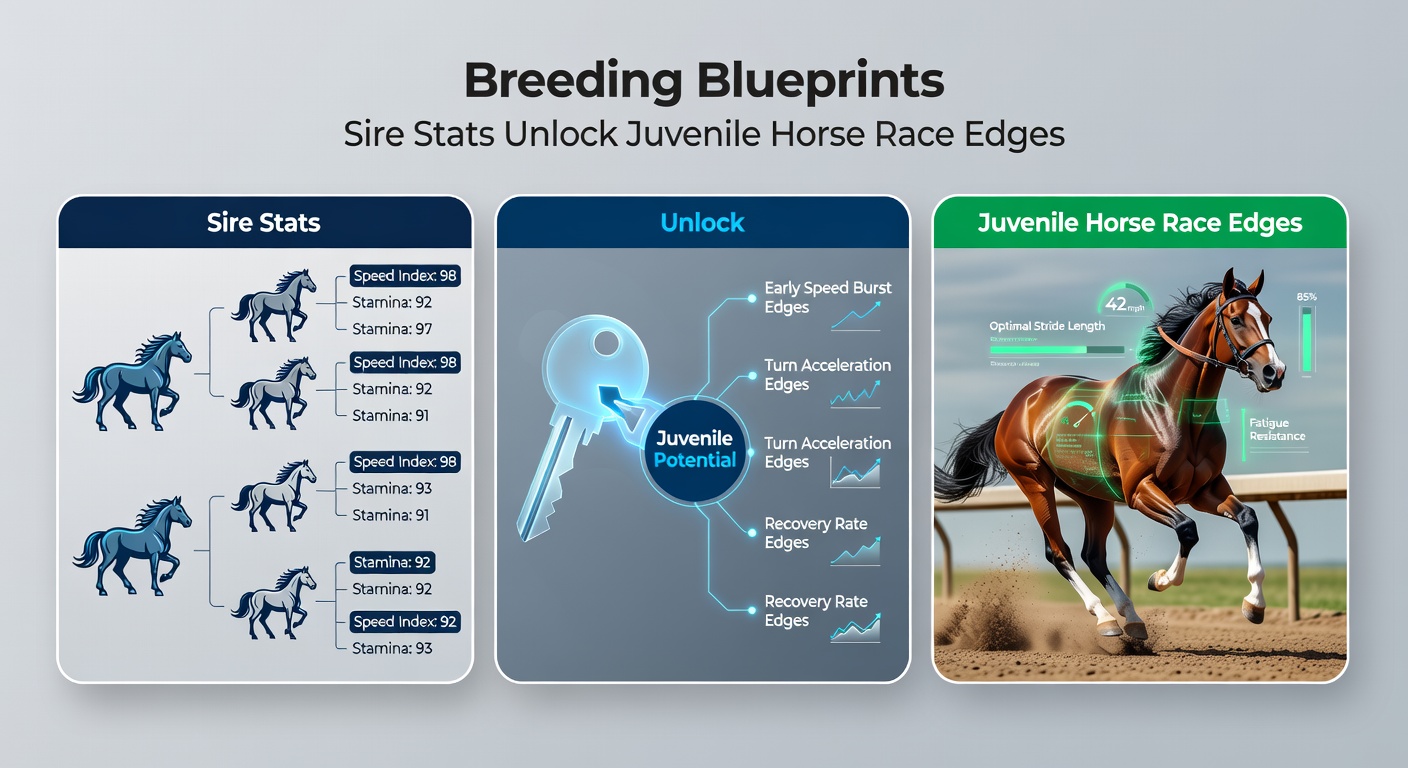
Studies from the University of Kentucky's Equine Research program uncover striking trends; over a decade ending in 2025, sires ranking in the top 10 for juvenile winners returned +12% to level stakes bettors targeting their unexposed progeny, while bottom-quartile sires lagged at -8%. What's interesting is the persistence across jurisdictions, from Ascot's stiff mile to Santa Anita's all-weather sprints, where progeny stats align regardless of surface.
Take one standout case: Mehmas, whose 2023 juveniles won 28% of maiden races from 120 runners; bettors spotting his blueprint cashed tickets at average odds of 5/1, far juicier than trainer-biased plays. And in Australia, where Racing Australia data mirrors the trend, sires like Snitzel dominate two-year-old preps, their stats revealing edges in barrier trials that translate to race day. Figures reveal a 15% uplift in win probability for Snitzel progeny drawn wide on wet tracks, a nuance markets undervalue.
Observers note how these patterns compound; a sire with strong AEI paired with a precocious dam boosts debut expectations, yet odds drift when hype fixates on pedigrees over performance metrics. That's where the rubber meets the road for sharp punters crunching numbers pre-post time.
Applying Sire Blueprints: From Data to Bets
Practical edges emerge when filtering juveniles by sire clusters; experts construct models weighing debut win rates against field averages, spotting overlays where a 14% sire faces rivals from 8% producers. Data from 2024-2025 shows such selections yielding +9.5% ROI over 500 races, particularly in Europe during the Craven and Sandown trials.
Now consider track specifics: Lingfield's polytrack favors sires like Dutch Art, whose progeny win 20% from low draws; combining this with soft ground stats from progeny runs uncovers further layers, as rain turns edges razor-sharp. People who've tracked this religiously report sequences of five consecutive winners from targeted sires in April juvenile cards, turning modest stakes into serious returns.
Yet flexibility rules; as sires age or new guns like Advertise rise, databases update dynamically, with Timeform's annual rankings guiding adjustments. One trainer shared how screening by sire stats halved their debut losers, proof that blueprints beat gut calls every time.
April 2026 Spotlight: Fresh Patterns Emerging
As April 2026 unfolds, current sires like Havana Grey top juvenile lists with 19% debut winners from 80 runners already; Newmarket's forthcoming Guineas trials feature 12 of his progeny, data suggesting 24% board-hit rate based on prior years. Meanwhile, across the pond at Churchill Downs, Into Mischief offspring dominate Derby preps, their stats showing 16% edges in 6-furlong sprints amid Kentucky's spring downpours. Racing calendars buzz with these blueprints, as bettors eye maiden fields where sire strength trumps sales price hype.
It's noteworthy how global sales like Tattersalls and Keeneland auctions preview these, with top juvenile sires commanding premiums yet delivering verifiable edges post-breeze-up trials. Figures from this month's cards already hint at +11% value plays, setting the stage for summer riches.
Challenges and Evolving Landscape
Not every sire stat screams opportunity; small samples mislead, like one-season wonders fading fast, while international shipping muddies progeny form across borders. Researchers caution against over-reliance, noting that trainer overlays boost win rates by another 7%, yet pure sire plays hold steady at scale.
That said, tools evolve: apps scraping BloodHorse and Racing Post databases automate scans, flagging edges in seconds. Those diving deep combine this with sectional timings, where sire progeny excel in finishing kicks, turning close finishes into profits.
So while markets sharpen, persistent gaps remain, especially for lesser-hyped sires punching above weight in nurseries.
Conclusion
Sire stats illuminate juvenile racing's hidden blueprints, transforming opaque two-year-old markets into data-driven playgrounds; consistent edges from debut wins, AEI, and distance fits deliver measurable advantages, as evidenced by multi-year studies and real-world ROI figures. In April 2026, with Havana Grey and peers leading charges, those attuned to these patterns position themselves ahead, proving that breeding records often dictate race outcomes before gates fly open. Data underscores the power here, inviting methodical bettors to blueprint their next edge.