Following Squad Rotation Signals Through Cup Competition Depth Charts in Portuguese Leagues
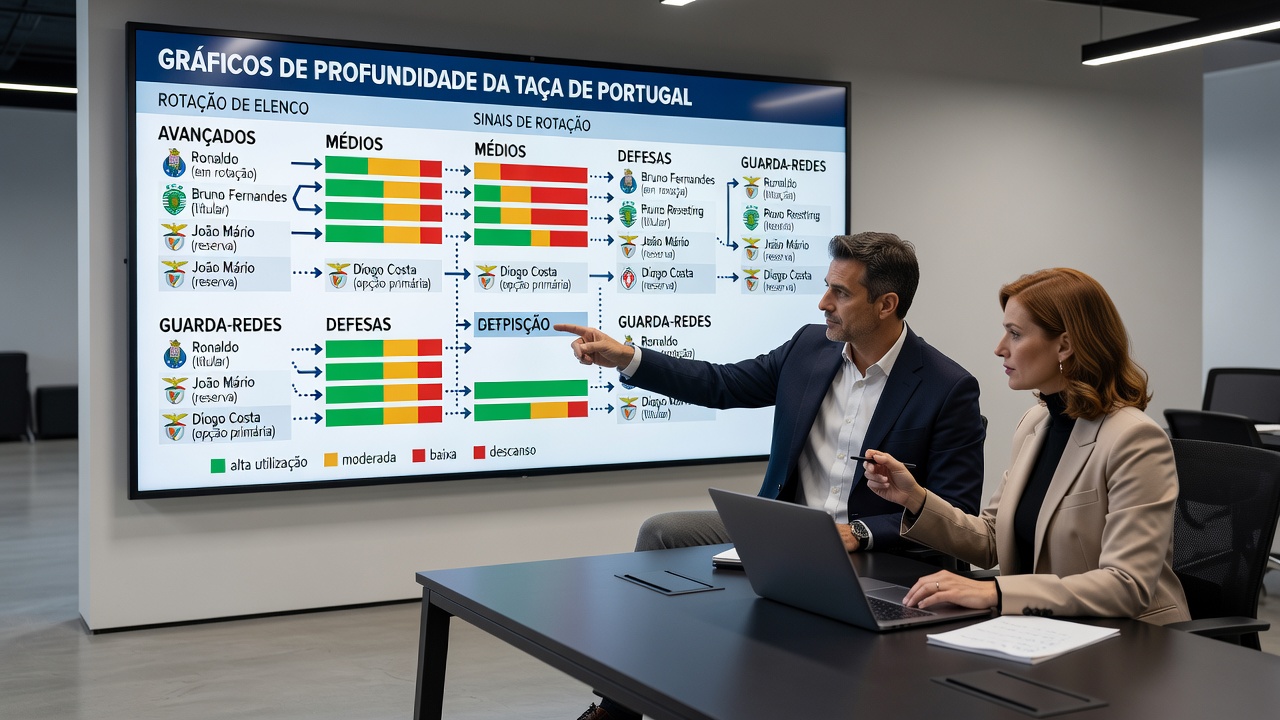
Portuguese football operates across multiple competitions each season, and cup matches often prompt clubs to adjust their lineups in ways that differ markedly from league fixtures. The Primeira Liga runs alongside the Taça de Portugal and Taça da Liga, creating distinct windows where managers select from expanded squads rather than relying on the same eleven players week after week. Depth charts function as visual records that track player availability, recent minutes played, and positional options across these events. Analysts compile these charts from official match reports released by Liga Portugal and the Federação Portuguesa de Futebol, then cross-reference them with injury updates published on club websites.
Structural Differences Between League and Cup Fixtures
League matches demand consistent performance over 34 rounds, whereas cup ties introduce single-elimination pressure and sometimes midweek scheduling. Clubs with European commitments, such as those qualifying for the UEFA Champions League or Europa League, face additional fixture congestion. In these periods, rotation becomes a practical necessity rather than an optional tactic. Data collected by the Portuguese Professional Football League shows that teams in the top four positions historically rotate between three and five players on average during Taça da Liga group stages compared with league games. This pattern holds across seasons from 2018 through 2025, with similar trends appearing in early 2026 preparations ahead of the August campaign start.
Building and Interpreting Depth Charts
Depth charts list starters, substitutes, and reserve options for each position while noting recent appearances in domestic cups. Observers update these charts after every round using lineups submitted to the league's official platform. Key indicators include minutes played in the previous seven days, recovery periods between matches, and positional versatility listed in player profiles on the Federação Portuguesa de Futebol database. When a club fields a largely second-string side in an early Taça de Portugal round, the depth chart reveals which academy graduates or squad players receive extended opportunities. These selections often follow predictable patterns tied to fixture density rather than random choice.
Seasonal Patterns Observed in August Windows
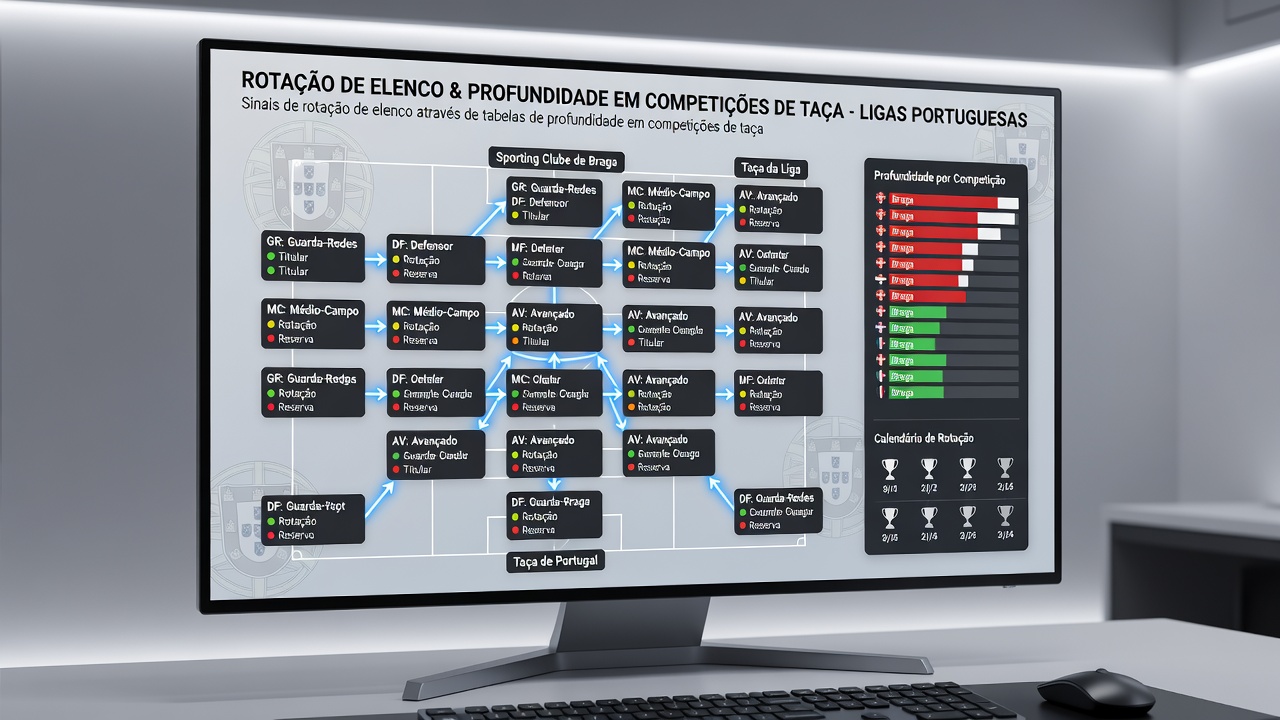
August 2026 marks the opening of the new domestic campaign, with clubs balancing league openers against preliminary cup rounds. Historical records indicate that teams participating in European qualifiers frequently rest key attackers during the first Taça da Liga matches. Midfield rotations appear most frequently in these windows because central players accumulate the highest average minutes across competitions. Researchers at the University of Porto documented rotation rates exceeding 40 percent in cup matches for clubs with concurrent European fixtures during the 2024-2025 season. Their findings, available through the university's sports science repository, link higher rotation frequency to reduced injury incidence over the full campaign.
Examples from Prominent Portuguese Clubs
Clubs such as SL Benfica, FC Porto, and Sporting CP maintain detailed internal depth charts that external analysts attempt to replicate through public data. During the 2025 Taça de Portugal quarterfinals, one Lisbon-based side started four players who had featured less than 30 minutes in the preceding league match. The resulting depth chart highlighted increased involvement from players previously limited to substitute roles. Smaller Primeira Liga sides and Liga Portugal 2 clubs display different rotation habits, often relying on the same core group across both competitions because their squads contain fewer options. These patterns become visible when depth charts are compared across multiple seasons.
Data Sources and Tracking Methods
Public match reports from Liga Portugal provide the raw lineups and substitution timings required to construct accurate charts. Additional context comes from press conferences archived on club channels and medical bulletins issued after international breaks. A 2023 study by the European Observatoire of Sport and Employment examined rotation across five major European leagues and noted that Portuguese clubs showed above-average flexibility in cup competitions due to the compact domestic schedule. Analysts combine these inputs into spreadsheets or visualization tools that flag when a player moves from bench option to starter across successive cup ties. Consistent updates allow observers to identify emerging trends before they appear in subsequent match reports.
Conclusion
Cup competitions in Portugal generate distinct rotation signals that depth charts capture through systematic tracking of lineups and minutes. These records draw from official league data, federation reports, and academic analyses to map how clubs distribute playing time across their squads. August periods, including the 2026 season opening, illustrate the intersection of fixture demands and squad management practices that shape selections throughout the year.