How Pitcher Rest Advantages Shift Run Line Pricing in Minor League Baseball Doubleheaders
Xander Keller · Aug 1, 2026
How Pitcher Rest Advantages Shift Run Line Pricing in Minor League Baseball Doubleheaders
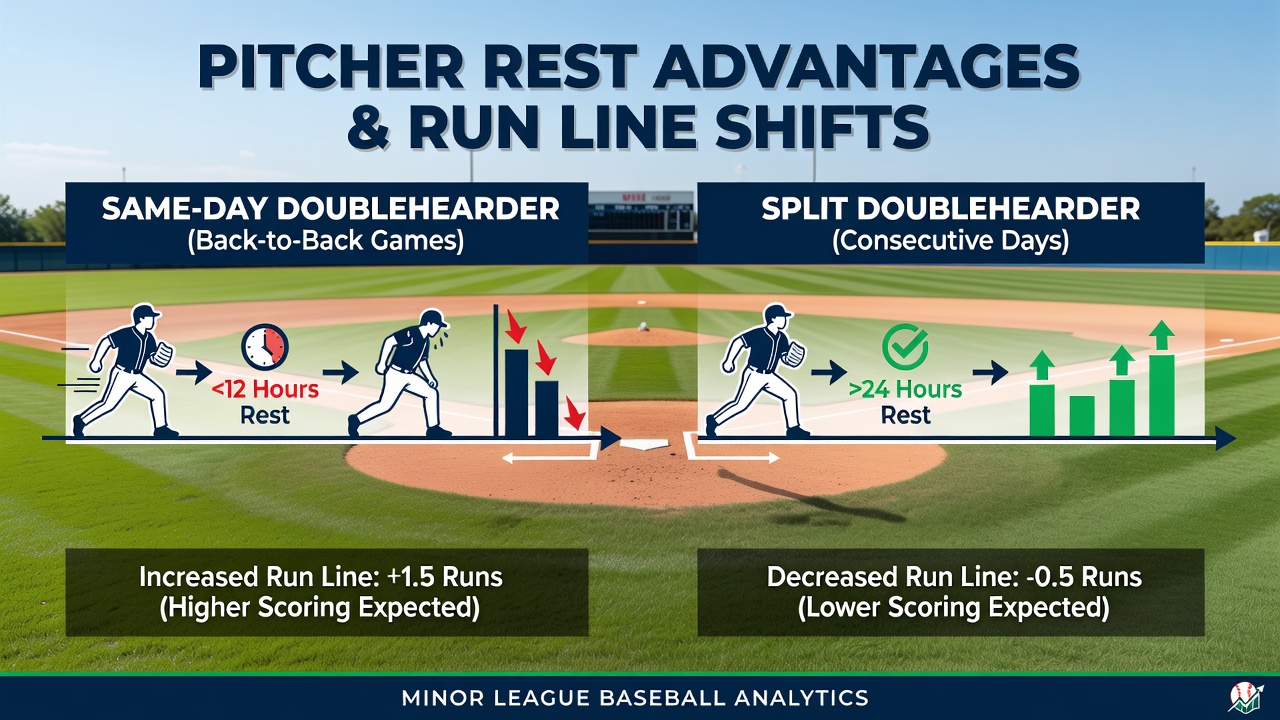
Doubleheaders in minor league baseball create unique scheduling demands that directly influence pitcher availability and performance metrics, which in turn shape how sportsbooks set run line odds for these contests. Teams often schedule these twin bills to make up rainouts or optimize travel, and the compressed timeline means some starters receive additional rest while others pitch on shorter intervals. Data from league schedules in 2026 shows that August features a noticeable uptick in such games across Triple-A and Double-A levels because summer weather patterns increase postponement frequency.
Rest Patterns and Workload Distribution
Organizations track innings pitched and days between starts closely, with analysts noting that pitchers returning after four or more days of rest typically post lower earned run averages and allow fewer hits per nine innings compared to those working on three days or less. This gap becomes pronounced in doubleheaders where the opener and nightcap often draw from the same pitching pool, forcing managers to decide whether to deploy a rested arm in the first game or save that advantage for the second. Researchers examining Triple-A data across multiple seasons have documented consistent differences in strikeout rates and walk totals tied to these rest cycles, patterns that sportsbooks incorporate when establishing the run line markets.
Impact on Scoring and Run Line Movement
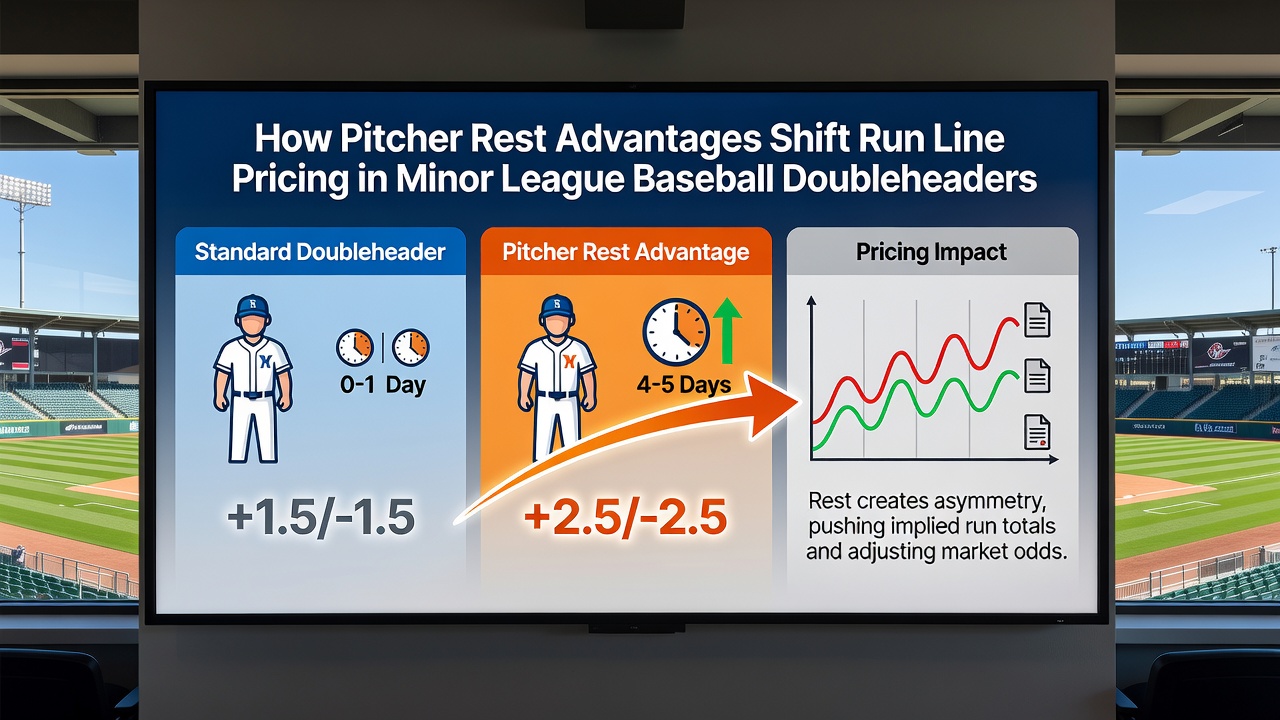
Run lines in these games usually sit at 1.5 runs, yet the pricing on the favorite minus side or the underdog plus side shifts measurably once lineups and probable pitchers are confirmed. When one club secures a starter with extra rest for the opener, betting markets have shown the run total and run line odds adjusting to reflect the expected suppression of offense, while the second game may see the opposite movement if the opposing side gains the rest edge. Observers tracking odds from multiple sportsbooks note that these adjustments occur rapidly after official lineups drop, often within the first hour of betting windows opening.
Statistical Correlations in Recent Seasons
Figures compiled by minor league statistical services reveal that teams with the rested pitcher in doubleheader openers win the run line at a higher clip than their season-long baseline, a trend that holds across both the Pacific Coast League and the Eastern League during the 2025 and early 2026 campaigns. Pitchers on short rest, meanwhile, surrender more extra-base hits and higher slugging percentages, prompting oddsmakers to shade the opposing run line accordingly. These shifts appear most pronounced in games where both sides start their scheduled rotation arms rather than bullpen games or spot starters.
Market Response and Line Movement Timing
Betting operators monitor injury reports and usage patterns from the preceding series, then apply those inputs to refine run line prices before first pitch of the opener. When a team announces a starter who has benefited from four days of rest following a rain-shortened outing, the market frequently moves the run line toward the under or the rested pitcher's team minus side by several cents. This movement reflects aggregated historical performance rather than any single game narrative, and it occurs consistently enough that sharp bettors have identified repeatable windows for value on the adjusted side.
League-wide data further indicates that doubleheader second games produce slightly elevated scoring on average, partly because bullpens are already depleted and managers turn to less experienced relievers. Sportsbooks account for this by nudging totals upward for the nightcap while simultaneously recalibrating the run line to reflect the new rest disparity between the two clubs. Those adjustments create situations where the opener and nightcap carry distinct pricing structures even when the same two teams compete in both contests.
League-Specific Scheduling Nuances
Different minor league levels handle doubleheaders with varying roster rules, and these differences affect how rest advantages translate into run line value. Triple-A clubs, operating under MLB-affiliate guidelines, maintain deeper pitching staffs that allow more flexibility in rest management, whereas lower levels sometimes rely on pitchers who have already thrown in relief the previous day. Analysts comparing outcomes across classifications have found that the rest-related edge in run line performance widens at the Triple-A level, where organizations can more precisely control starter workloads.
August 2026 schedules show several clusters of consecutive doubleheaders in the Midwest League and Southern League, periods when cumulative fatigue begins to compound for pitching staffs already stretched by the long season. These stretches amplify the importance of any single day of rest, and the resulting run line movements become more volatile as bettors and operators alike attempt to quantify the cumulative effect.
Conclusion
Minor league doubleheaders present a concentrated window where pitcher rest differentials drive measurable changes in run line pricing, with historical performance data guiding how markets respond once probable pitchers are set. The interplay between scheduling constraints, workload management, and scoring trends creates consistent patterns that operators and analysts track across levels and months, particularly during peak doubleheader periods like those expected in August 2026. These dynamics remain grounded in documented statistical relationships rather than isolated outcomes, allowing markets to adjust in predictable ways when rest advantages shift between the two clubs.