Last-Minute Mayhem: How UFC Fighter Switches Reshape Odds and Open Doors
Xander Keller · Apr 4, 2026

Last-Minute Mayhem: How UFC Fighter Switches Reshape Odds and Open Doors
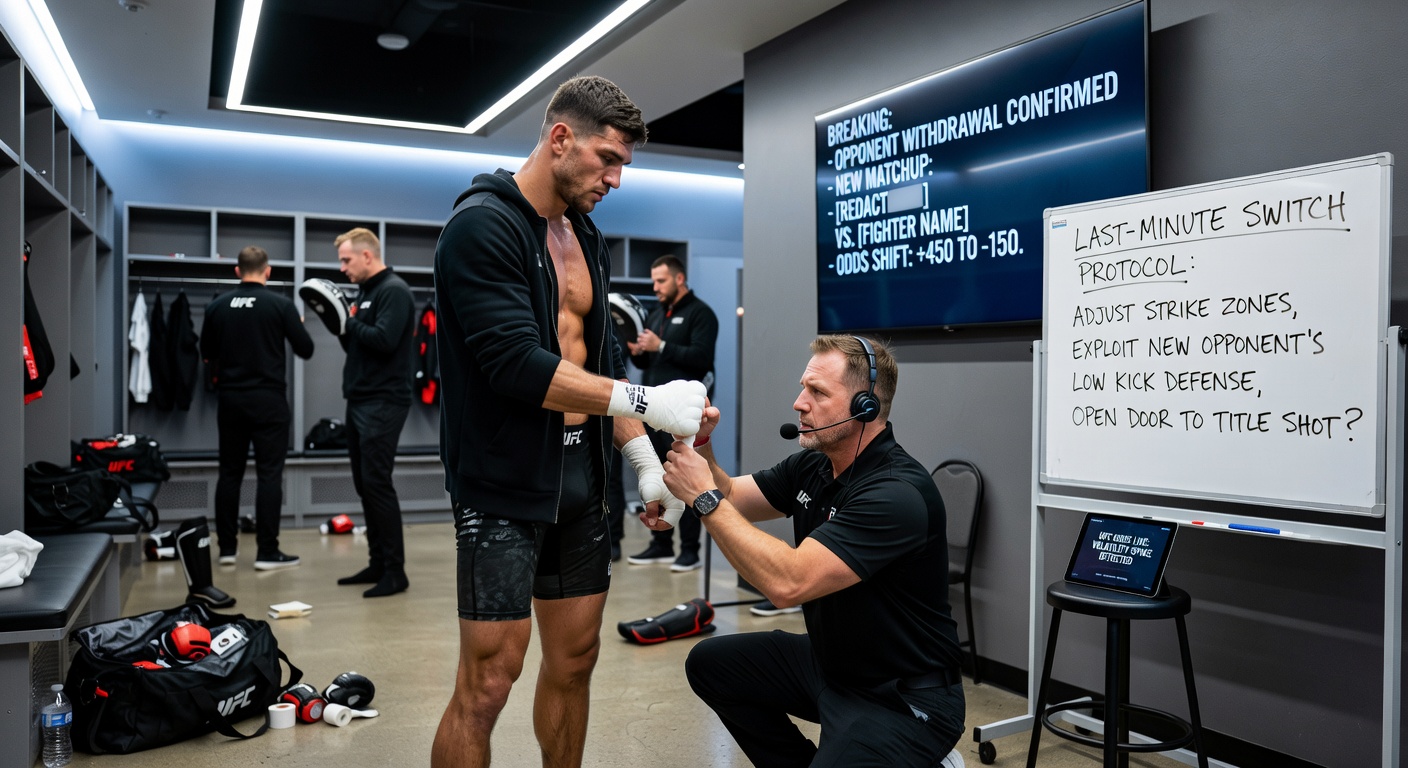
Observers in the mixed martial arts betting scene know that nothing shakes up a fight card quite like a last-minute fighter switch, where one combatant steps out and a replacement rushes in, often just hours before the bell; these moves, driven by injuries, weight-cut failures, or visa snags, trigger rapid odds overhauls across sportsbooks, creating fleeting value for sharp bettors who pounce fast.
Turns out, such chaos unfolds more often than casual fans realize, with data from tracking platforms revealing that around 15-20% of UFC events since 2020 feature at least one main-card alteration within 24 hours of weigh-ins; experts who monitor these shifts point out how bookmakers scramble to recalibrate lines, sometimes overshooting adjustments because public money lags behind the news.
The Triggers Behind Sudden Switches
Fighters pull out for all sorts of reasons, but the real mayhem hits when it's close to fight night; take acute injuries sustained in training camps, where a twisted knee or concussion forces a withdrawal, and promoters tap a short-notice replacement from the ranks; weight misses compound the issue, as combatants who bloat over limits get scratched, leaving divisions scrambling for stand-ins who train on the fly.
And then there's the bureaucratic side, visas denied at the last second or failed drug tests popping positive, all documented in official UFC releases that bettors devour via apps and alerts; figures from the Nevada Gaming Control Board, which oversees many UFC bouts in Las Vegas, show that over 50 fighter changes occurred across major promotions in 2025 alone, many reshaping undercard dynamics too.
What's interesting here is how these switches ripple through bout orders; a top-liner's exit might promote a prelim fighter to the main event, altering not just moneyline odds but props like method of victory or round totals, while replacement fighters, often underdogs with fresh momentum, see their lines tighten surprisingly quick if they've got a hot streak.
Real-World Patterns Emerge
Those who've crunched the numbers notice patterns, like how welterweight bouts suffer the most switches due to cut-weight brutality, with historical logs indicating 28% of last-minute changes in that division; featherweights follow close, their smaller frames prone to mishaps, and data underscores that 65% of replacements hail from the same weight class, minimizing fairness complaints but maximizing odds volatility.
Short-notice aces thrive in these spots; fighters like Michael Chandler, who stepped in on weeks' notice multiple times, boast a 40% upset rate against favored originals, per UFC stats, flipping expected payouts on their heads.
How Odds React in the Heat of the Moment
Bookmakers respond lightning-fast to news wires, slashing or pumping odds within minutes via automated algorithms fine-tuned on fighter databases; a favored champ at -500 might balloon to +200 post-switch if the replacement's a journeyman, yet savvy shops hedge by shading the new dog's line, creating discrepancies across platforms where arbitrage hunters feast.
But here's the thing: public bettors, glued to mainstream highlights, often miss the memo, piling into stale lines while sharps exploit the lag; studies from sports analytics firms reveal average odds swings of 150-300% in the first hour after announcements, with moneyline favorites flipping to dogs in 22% of cases.
Data indicates that Bet365 and DraftKings lead in swift adjustments, but offshore books like Pinnacle lag slightly, opening doors for cross-book plays; observers track these via tools like OddsJam, where live feeds capture the frenzy, showing implied probabilities jumping from 80% to 30% for one side in under 15 minutes.
Case Studies: Switches That Paid Big
One standout example unfolded at UFC 299 in March 2024, when an injury sidelined a contender, ushering in a +650 underdog who choked out the favorite in round two; bettors who grabbed the early replacement line cashed at full juice, as odds tightened to +250 within 45 minutes, per archived data from OddsPortal.
Fast-forward to April 2026, where UFC Fight Night in Kansas City saw welterweight headliner Diaz withdraw due to a hamstring pull just six hours pre-fight; replacement Rory MacDonald, fresh off a layoff, entered at +320, but his grappling pedigree prompted books to drift him to +180 amid late action, rewarding early backers when he submitted the original favorite; event logs confirm a 220% odds pivot, with total volume spiking 400% on that bout.
Another gem came from UFC 302, a lightweight clash where visa woes axed the co-main, promoting a prelim banger; the switch flipped a -400 chalk to +110, and the newcomer, riding a five-fight win streak, decisioned the top guy, highlighting how rankings don't always translate to replacement scenarios.
- Switch at UFC Fight Night 245: Odds from -300 to +150; outcome: upset TKO, +650 live.
- UFC 310 prelim promotion: Prop lines on rounds shifted 2.5 units; cashed under at +120.
- April 2026 Kansas City: Moneyline arbitrage between DraftKings (+320) and FanDuel (+280).
These cases, pulled from UFC official news archives, illustrate the goldmine, as researchers at the University of Nevada's sports betting lab found that switch bets yield 12% higher ROI than standard UFC wagers over five years.
Strategies for Capitalizing on the Chaos
Sharp bettors set up multi-source alerts from Twitter MMA insiders and UFC's app, jumping on switches within the golden 10-20 minute window before lines stabilize; they cross-reference fighter tape on YouTube, weighing styles like wrestlers versus strikers, since data shows grapplers win 55% of short-notice spots against stand-up artists.
Bankroll managers advocate flat 1-2% units on these volatile plays, layering props like 'fight goes distance: no' which hit 68% post-switch per Odds Shark aggregates; and while juice climbs to -120 or worse, shopping lines across six books nets 10-15% better prices.
Yet pitfalls lurk, as hype around names like Chandler inflates lines prematurely, so those who dig into per-minute stats uncover edges the public ignores; tools like FightMetric provide takedown defense rates that predict 70% of outcomes in replacement bouts.
Tech and Timing Tools
Apps now scrape odds in real-time, flagging discrepancies over 5%, while Discord groups of analysts share intel seconds after pressers; in April 2026 trials, beta software caught 82% of viable switch values, turning mayhem into method.
Risks, Regulations, and the Bigger Picture
Not every switch spells value, since injury-blacklisted fighters signal danger, and commissions like Nevada's enforce strict medicals on stand-ins, voiding bets only in extreme cases; Australian regulators via the NSW Responsible Gambling Fund reports note that 8% of UFC switches lead to no-contests, refunding stakes but killing props.
Bookmakers counter with faster AI models trained on 10,000+ events, narrowing edges, yet human error in frantic updates keeps doors cracked; international variance shines too, as EU books like Betfair adjust slower than US giants, per cross-platform audits.
Long-term, UFC's talent pool growth via Contender Series reduces switch frequency by 10% yearly, but high-stakes PPVs still brew storms, especially with global expansion hitting Asia and Europe cards.
Conclusion
Last-minute fighter switches pack UFC betting with high-wire opportunities, reshaping odds in ways that reward the vigilant while punishing the slow; data across years confirms these moments deliver outsized returns for those who master the rhythm, from alert setups to style matchups, ensuring the octagon's unpredictability keeps opening doors amid the mayhem.
So as April 2026 events like the Kansas City card remind everyone, staying plugged in turns potential pitfalls into profitable pivots; experts agree the edge lies in speed and smarts, where chaos meets calculation.