Late Season Roster Adjustments Influencing MLB Wild Card Betting Markets
Freya Hansen · Aug 6, 2026

Late Season Roster Adjustments Influencing MLB Wild Card Betting Markets
August 2026 finds Major League Baseball teams navigating the final stretch of the regular season, where roster tweaks often reshape the competitive landscape for Wild Card positions. These adjustments, including promotions from minor league affiliates and strategic trades, alter team compositions at a point when standings remain fluid across both leagues. Data from previous seasons shows that clubs making targeted additions frequently experience shifts in win probabilities during September games, which in turn affects betting lines offered by sportsbooks.
How Roster Changes Affect Team Dynamics
Teams eligible for Wild Card contention typically expand their active rosters after September 1, allowing managers to integrate fresh talent without sacrificing established players. Observers note that pitchers returning from injury or position players acquired via deadline deals contribute to improved defensive metrics and offensive output in critical matchups. Research from sports analytics platforms indicates that such modifications correlate with measurable changes in run differentials, particularly in divisional games that carry extra weight for playoff seeding.
Figures compiled by league statisticians reveal that clubs adjusting bullpen compositions late in the year post higher strikeout rates in the closing innings, which influences total runs scored and over-under betting markets. Meanwhile, infield reinforcements help stabilize error rates during high-pressure situations, creating ripple effects on moneyline odds for games involving Wild Card hopefuls. Those who track these patterns across multiple seasons find that early August roster moves often set the stage for sustained performance gains through the final month.
Betting Market Responses to Mid-August Adjustments
Sportsbooks monitor roster announcements closely because they provide signals about impending performance trends. When a contender adds a starting pitcher with a strong minor league track record, oddsmakers frequently adjust futures prices for that club's Wild Card odds within hours of the transaction. Historical data sets from betting exchanges demonstrate that lines move by several percentage points following confirmed roster enhancements, reflecting updated projections for remaining games.
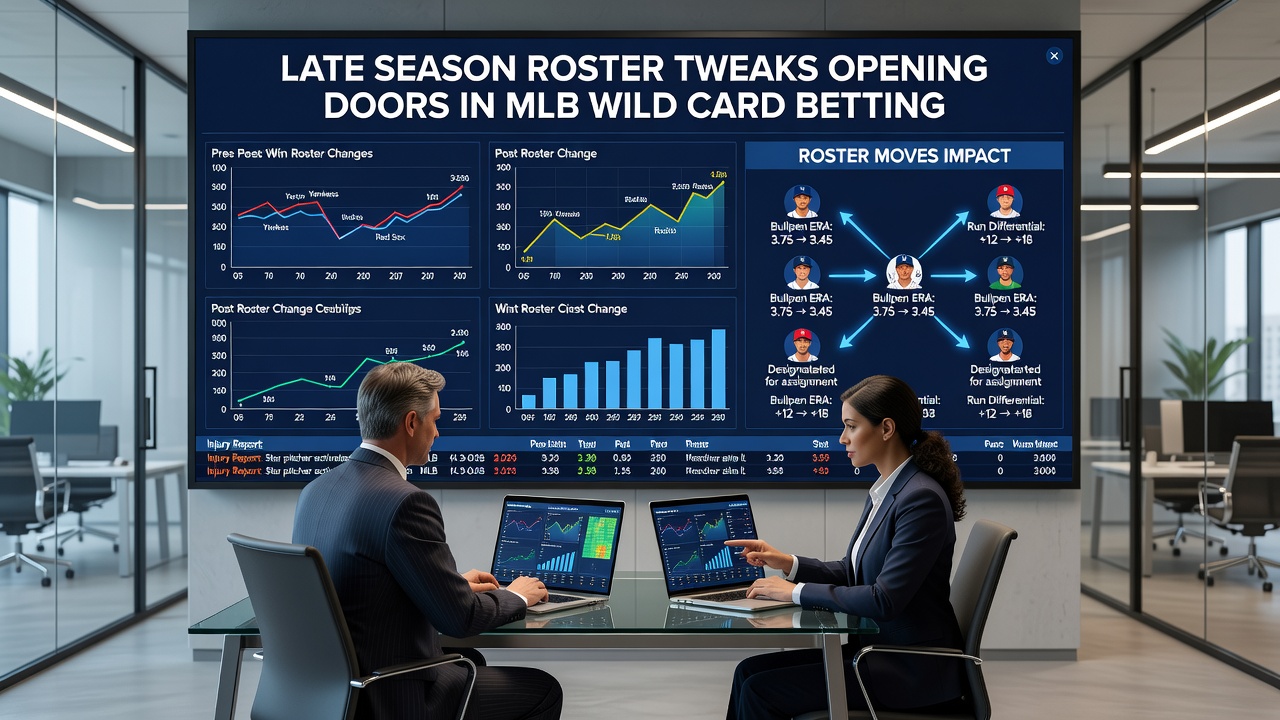
According to reports from the American Gaming Association, volume on MLB Wild Card futures increases noticeably during periods of active roster activity, as bettors respond to new information about team strengths. Industry organizations such as the Canadian Gaming Association have documented similar patterns in cross-border wagering data, where roster news triggers shifts in parlay and prop bet activity. What's interesting here is how these market reactions create brief windows where odds lag behind statistical updates, allowing informed participants to identify discrepancies before lines stabilize.
Statistical Patterns in Recent Seasons
Analyses conducted by university research groups specializing in sports performance show that teams acquiring left-handed relievers in August record improved outcomes against right-handed heavy lineups in September. These studies track variables including ERA, WHIP, and on-base percentage adjustments post-roster change, revealing consistent correlations with playoff positioning. Data indicates that clubs entering the final month with balanced pitching staffs maintain steadier standings trajectories compared to those relying on unchanged rotations.
One study published through academic channels examined over 200 roster transactions across five seasons and found that position player call-ups from Triple-A affiliates boosted batting averages in late innings by an average of 15 points. Such granular shifts matter in one-run games that determine Wild Card tiebreakers, influencing both spread and moneyline betting volumes. Those who've examined the numbers across multiple campaigns observe that these effects compound when multiple adjustments occur within a two-week span.
Regional Variations in Roster Strategy Impact
American League and National League clubs approach late-season tweaks differently due to distinct Wild Card qualification rules. League-wide statistics compiled through 2025 demonstrate that AL East contenders benefit more from outfield additions, while NL Central teams see greater gains from starting pitching depth. External analyses from organizations like the Australian Institute of Sport have compared these patterns with international baseball data, confirming that roster timing influences playoff odds in measurable ways across competitive environments.
Betting platforms adjust Wild Card odds accordingly, with futures prices reflecting updated playoff probabilities derived from advanced metrics. When a team activates a high-velocity reliever acquired at the trade deadline, live betting markets often show immediate volatility in game totals for subsequent series. Evidence suggests these adjustments open value opportunities in markets tied to individual player performances rather than solely team results.
Conclusion
Roster modifications during the August and September window continue to shape MLB Wild Card betting dynamics through their direct influence on team metrics and market pricing. Statistical evidence from multiple sources underscores how these changes affect win probabilities, odds movements, and wagering volumes across various bet types. As the 2026 season progresses, patterns established in prior years provide a framework for understanding the connections between personnel decisions and betting market behavior.