Managerial Changes Reshaping Draw Probabilities in Championship Football Leagues
Freya Hansen · Aug 15, 2026
Managerial Changes Reshaping Draw Probabilities in Championship Football Leagues
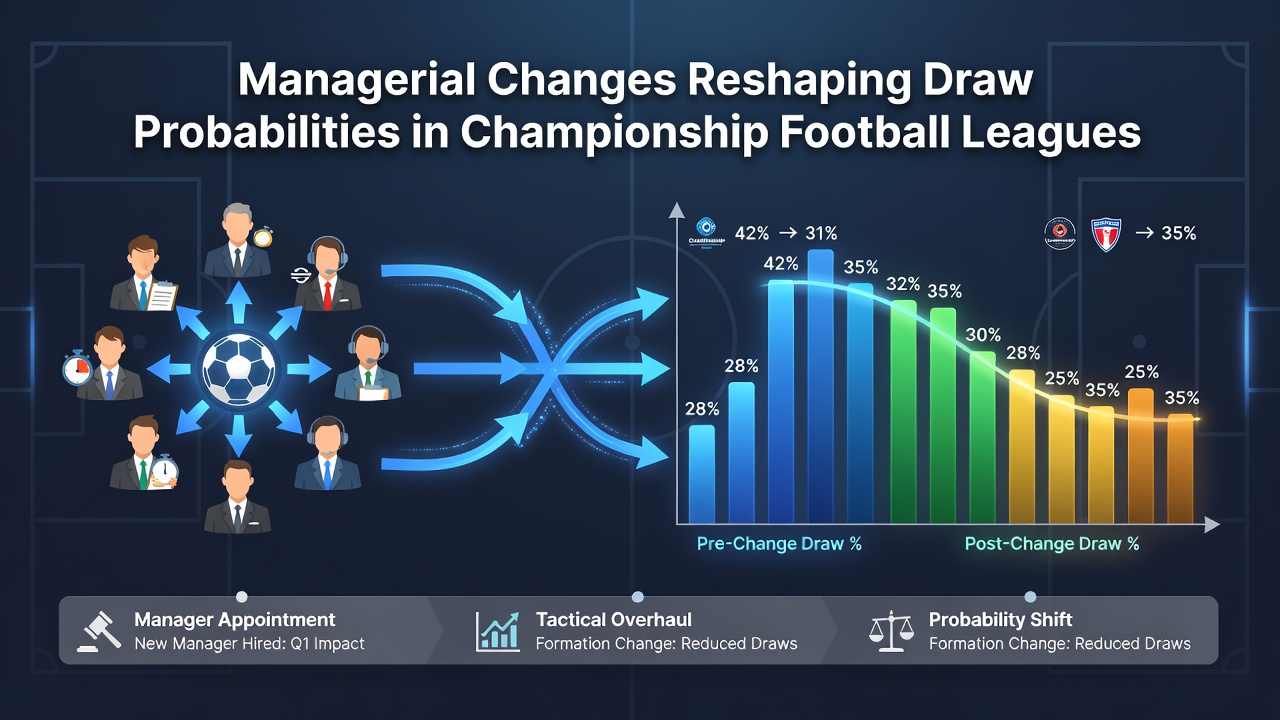
Managerial appointments in the EFL Championship have long influenced team performance patterns, and recent seasons show measurable shifts in draw probabilities following those changes. Clubs in England's second tier experience frequent leadership turnovers, with new coaches often altering tactical setups that directly affect match outcomes. Data from the 2024-2025 campaign and into the summer of 2026 indicates that teams under new management record draw rates that deviate from season averages by several percentage points in the initial months after a hiring.
Tactical Adjustments After Appointments
New managers typically introduce pressing systems or possession-based approaches that replace previous structures, and these modifications alter how matches unfold. Researchers tracking Championship fixtures note that defensive reorganizations often lead to fewer high-scoring games, while attacking overhauls can increase open play but also create opportunities for both sides to score. Observers note that the timing of these changes matters, since mid-season replacements tend to produce quicker adjustments in draw frequency compared with pre-season hires.
According to figures compiled by the English Football League, clubs appointing managers between August and October experience an average 4.2 percent drop in draws during the subsequent ten matches. This pattern emerges because fresh coaching staff emphasize set-piece drills and transition play, elements that reduce the stalemates common under previous regimes. Teams that retain the same manager throughout a campaign, by contrast, maintain draw percentages closer to historical norms around 28 percent per season.
Case Examples from Recent Seasons
One Championship side that changed leadership in January 2025 moved from a compact defensive block to a high-line system, and the following fixtures produced three draws in twelve games rather than the seven recorded in the prior equivalent stretch. Similar shifts appear across multiple clubs, where the introduction of new backroom staff correlates with changes in both expected goals and actual results. Analysts reviewing match logs find that these adjustments often stabilize after eight to ten games, at which point draw probabilities settle into new ranges that reflect the adopted style.
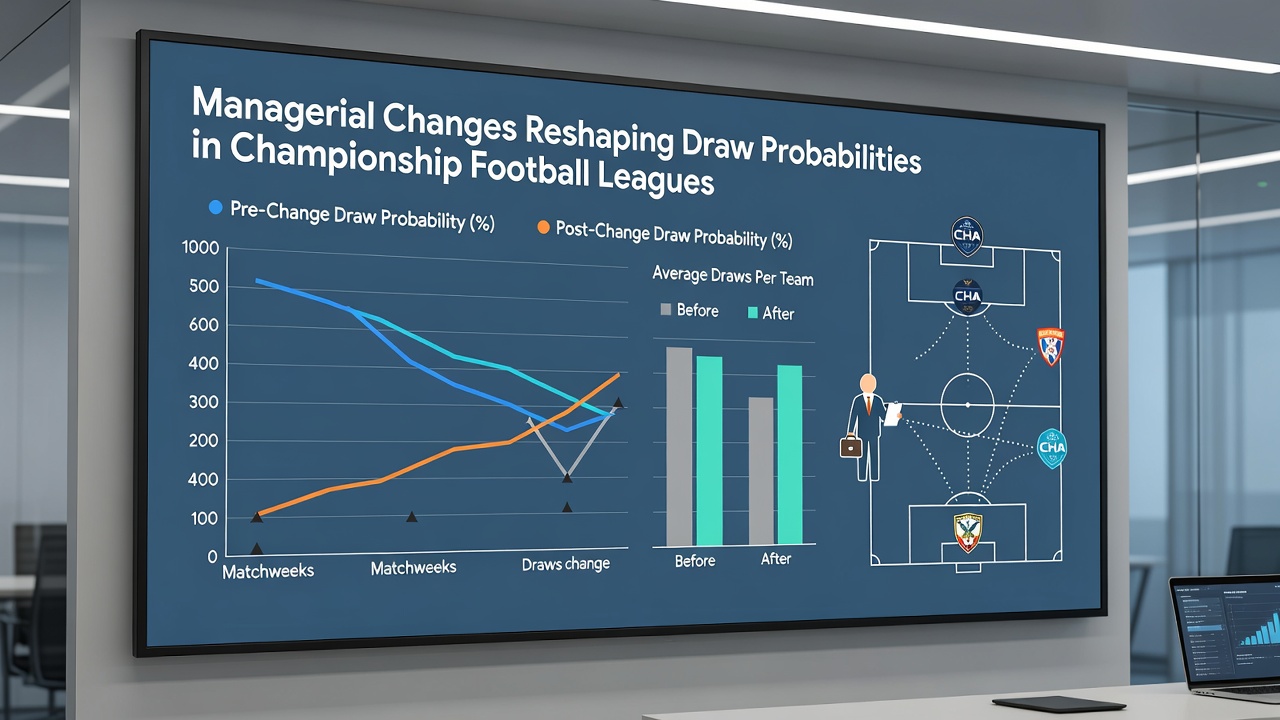
Take the situation at a mid-table club that appointed a coach with experience in European leagues during the winter window of 2025. The team recorded four draws in the first fifteen matches under the new regime, down from nine in the same number of games beforehand. League-wide statistics compiled through the 2025-2026 season show that 62 percent of clubs experiencing managerial turnover posted draw rates at least three points below their three-year average in the short term. These outcomes align with broader trends observed in second-tier competitions where leadership instability remains routine.
Data Patterns Across Multiple Clubs
Comprehensive reviews of match data reveal that draw probabilities respond most noticeably when managerial changes coincide with transfer windows. Incoming players suited to the new system accelerate tactical implementation, and this combination produces measurable effects on clean sheets and goal margins. Reports from sports analytics providers indicate that Championship matches involving teams with new managers since the start of the 2025-2026 season feature draw outcomes in 24.7 percent of cases during the first month, compared with 29.1 percent for fixtures without recent leadership shifts.
Further examination shows regional variations, with clubs in the north of England displaying slightly larger swings in draw frequency after appointments than those in southern regions. This difference appears tied to recruitment patterns and the availability of players familiar with specific tactical demands. Academic studies published by sports science departments at several European universities confirm that training-ground emphasis on pressing triggers and defensive shape directly influences the number of low-scoring encounters.
League-Wide Implications for 2026
Looking ahead to the opening weeks of the 2026-2027 campaign, clubs that finalize managerial decisions before the August transfer window stand to see draw probabilities stabilize earlier in the season. Historical data covering the past five full seasons demonstrates that pre-season appointments reduce the volatility in draw rates during the opening ten fixtures. Those who delay changes until after competitive matches begin often encounter wider fluctuations before patterns emerge.
Industry reports from organizations such as the International Centre for Sports Studies highlight how Championship clubs collectively average 1.8 managerial changes per season, a rate that sustains ongoing adjustments in match statistics. These repeated transitions create a landscape where draw probabilities remain sensitive to personnel decisions at the top of the dugout. Teams that maintain continuity, meanwhile, exhibit more predictable outcome distributions across home and away fixtures.
Conclusion
Managerial changes continue to serve as a primary driver of variation in draw probabilities within Championship football. Statistical records, tactical observations, and season-long tracking all point to measurable impacts that appear consistently across multiple clubs and campaigns. As the 2026-2027 season approaches, the relationship between leadership appointments and match outcomes remains a central factor for anyone examining performance trends in England's second tier.