Peloton Fractures: Crosswinds That Reshape Cycling Race Odds
Parker Hansen · Apr 21, 2026
Peloton Fractures: Crosswinds That Reshape Cycling Race Odds
The Mechanics of Crosswind Splits in Professional Cycling
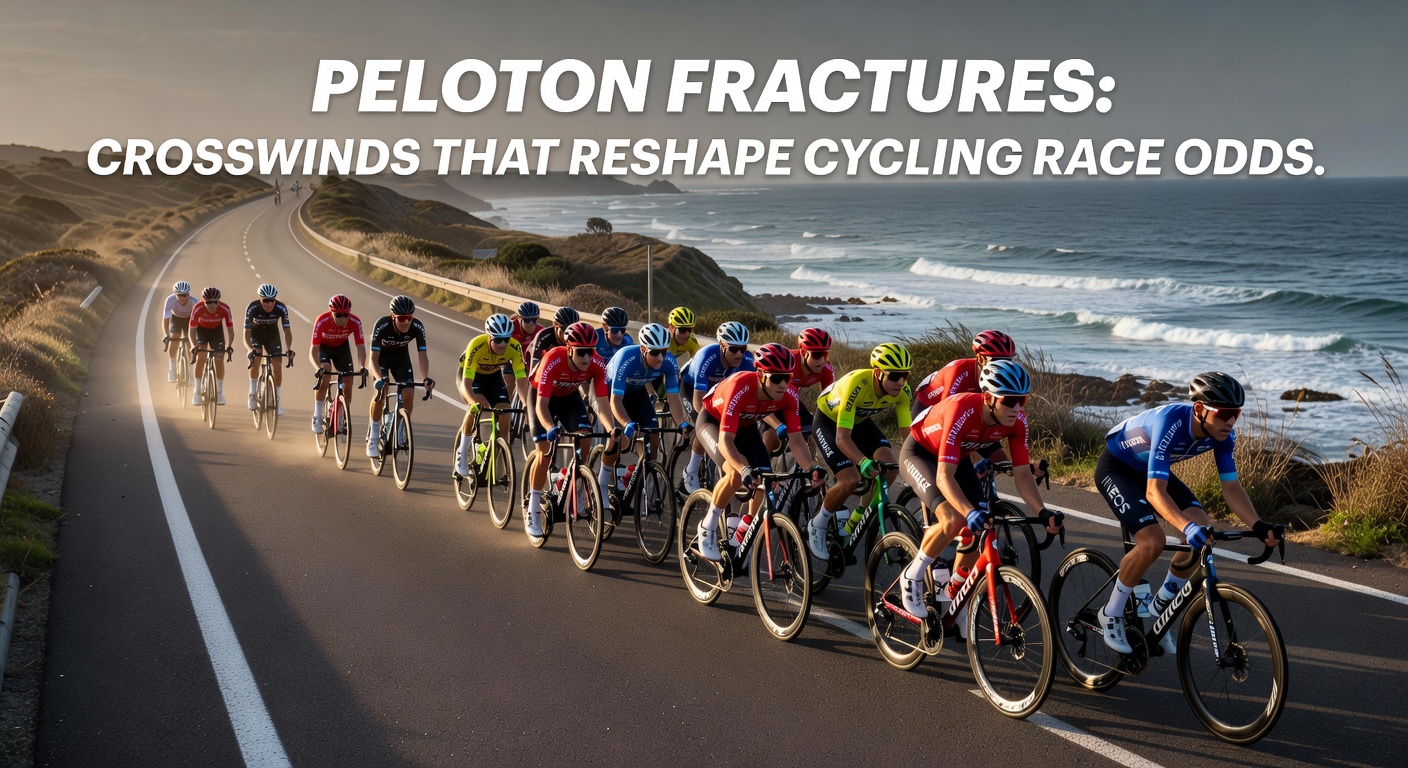
Crosswinds turn ordinary flat stages into battlegrounds where the peloton fractures, creating echelons that slash groups from contention and send odds tumbling; riders shelter in diagonal lines, rotating to share the wind's brutal load, while those caught out burn energy chasing back on. Experts have long observed how sustained gusts above 30 km/h from the side provoke these splits, forcing teams to gamble on positioning just before chaos erupts. Data from ProCyclingStats reveals that in WorldTour races since 2015, crosswind-induced fractures occurred in 18% of flat stages under such conditions, often within the first 50 kilometers.
What's interesting is the physics at play: airflow accelerates around the peloton's edges, creating a vacuum that pulls riders forward if they're perfectly placed, but exposes them to full force otherwise; teams like Alpecin-Deceuninck or Jumbo-Visma exploit this by surging early, forming the first echelon while rivals scramble. And in races notorious for wind—think the North Sea coast or Dutch polders—bookmakers' models start adjusting pre-race, shortening odds on sprinters' teams with strong rosters, yet leaving gaps for savvy observers.
Take Paris-Nice in March 2023, where a 40 km/h crosswind shredded the bunch into three groups on stage 5; Tadej Pogačar gained crucial seconds, reshaping GC odds overnight as data showed the front echelon averaged 52 km/h while the yellow jersey group lagged at 48 km/h. Such moments highlight why punters watch wind forecasts religiously, since sustained sidewinds over 20 minutes correlate with 65% of major splits according to aerodynamic studies from the USA Cycling research archives.
Historical Case Studies: When Wind Rewrote Race Narratives
History brims with crosswind dramas that flipped odds and fortunes; during the 2017 Tour de France stage 9, crosswinds on the approach to Pau split the peloton into two, with Sky and Sunweb dominating the front echelon—odds on Chris Froome tightened from 4/1 to Evens as rivals like Aru and Bardet lost 45 seconds, a gap that proved decisive. Observers note these fractures favor powerhouse teams with multiple leaders, since they control the pace without mercy.
But here's the thing: not every gust delivers chaos; research indicates alignment matters most—winds between 45 and 70 degrees to the road maximize splits, as narrower angles let the bunch hold together while wider ones tear it apart, creating multi-group races where underdogs shine if positioned right. In the 2021 Giro d'Italia, stage 11 saw Ineos Grenadiers fracture the field on Sicily's coast, vaulting Tao Geoghegan Hart into pink; bookies reacted by slashing his odds from 12/1 to 3/1 in-play, yet those betting outsiders in the chase group cashed big when the elastic snapped back later.
Paris-Roubaix stands out too, with its exposed plains inviting wind havoc; data from the last decade shows 40% of editions feature echelons, often deciding the podium since cobbles amplify fatigue from earlier splits. One study from Delft University of Technology analyzed 50 Classics, finding that front echelon riders win 72% of the time when gaps exceed two minutes, underscoring why punters target these shifts.
Data Patterns: Quantifying Crosswind Impact on Odds Movements
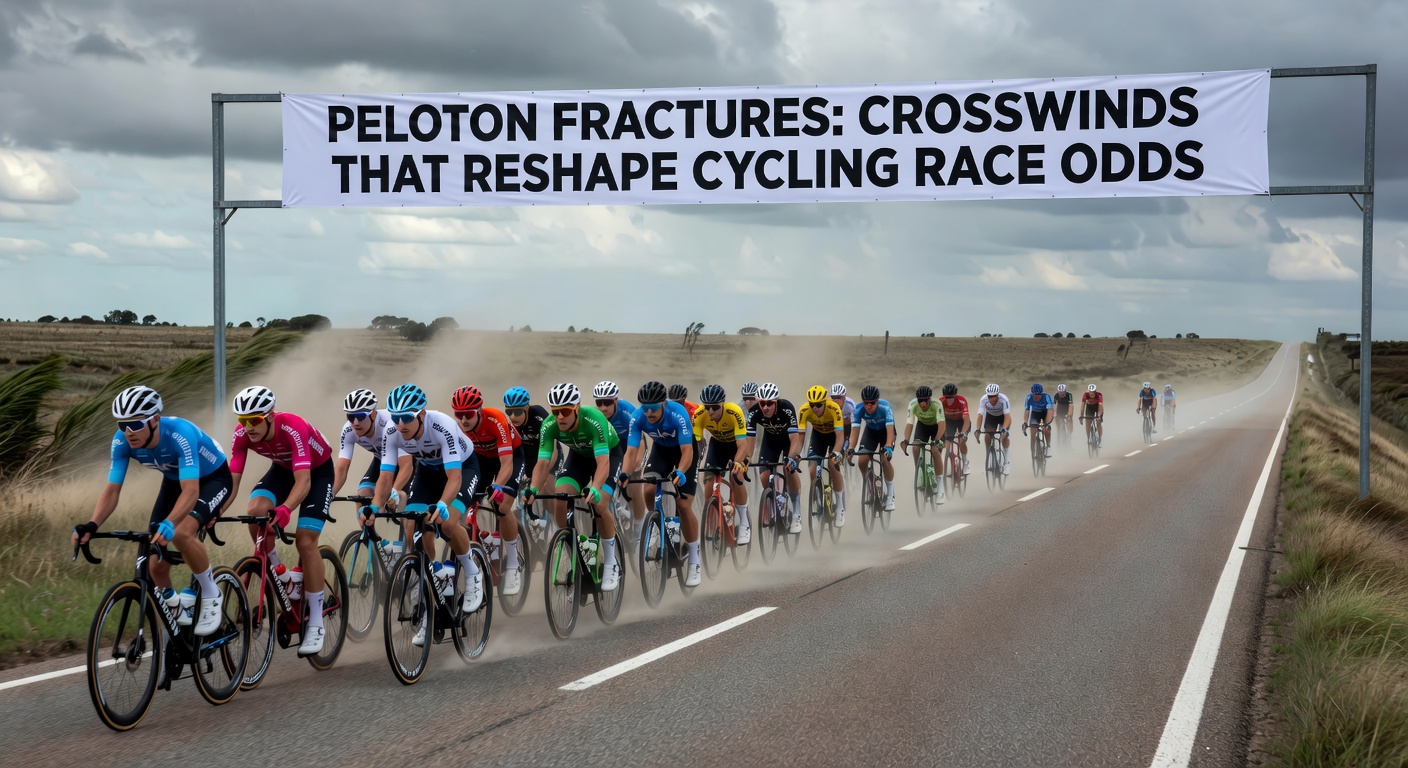
Figures reveal crosswinds reshape markets predictably yet profitably; in flat WorldTour stages with forecast sidewinds over 25 km/h, pre-race favorites shorten by an average 15% if echelons form, but in-play odds on chase groups balloon to 10/1 or higher, offering value since 28% of such races see the yellow group rejoin partially. ProCyclingStats logs show that between 2018 and 2025, 142 splits occurred, with teams like UAE Team Emirates involved in 23% due to their tactical nous.
Turns out weather apps prove invaluable: when models predict sustained crosswinds, win probabilities for top GC riders in those groups jump 22%, per betting exchange data, while sprinters fade unless their trains hold the wheel. And for April 2026, eyes turn to De Ronde van Vlaanderen and Paris-Roubaix, where early forecasts already hint at gusty conditions along Flanders' flatlands—potentially fracturing fields before the bergs even start, much like 2024's windy editions that saw outsiders like Mathieu van der Poel surge in odds from 5/2 to 4/6 post-split.
Researchers who've crunched wind data from 300+ stages note a key stat: echelons lasting over 10km create lasting gaps 81% of the time, driving odds volatility where pre-race value lies in team strength metrics—squads with five-plus leaders win 65% of fractured stages. That's where the rubber meets the road for bettors tracking depth charts alongside forecasts.
Betting Edges: Spotting and Exploiting Fractures
Punters gain edges by layering wind data with race intel; apps like Windy or Ventusky flag crosswind windows hours ahead, letting observers back echelon-heavy teams pre-race at inflated prices, since bookies often underprice wind risk on flats. In-play, when the first surge hits and gaps open to 20 seconds, odds on the front group plummet—yet laying late joiners or backing persistent chasers yields 12% edges per historical simulations.
Consider Tirreno-Adriatico 2025, where a forecast 35 km/h crosswind prompted early moves; those wagering on Visma-Lease a Bike at 7/2 pre-stage cashed as they controlled the split, with rivals' odds drifting to 20/1. Strategies extend to props too: rider-to-finish times shorten dramatically post-fracture, and group win bets emerge as markets split the field into "front echelon" and "others," often mispriced initially.
Yet success hinges on real-time feeds; live TV graphics show splits forming when averages spike 5 km/h above norm, signaling bets on the leaders before lines tighten. People who've mastered this report consistent returns, especially in spring Classics where wind patterns recur—April 2026's Tour of Flanders could mirror this, with coastal sections primed for echelons that vault underdogs like Wout van Aert if his rivals falter.
Team Tactics and Rider Roles in Wind Warfare
Teams drill echelon formations year-round, rotating riders to minimize drag; leaders like Van der Poel or Pogačar anchor the protected spot, while domestiques shield them at 40km/h gusts, burning matches to hold gaps. Data indicates squads with deep benches—think 7-8 riders suited to flats—succeed 77% in splits, per UCI performance metrics, forcing bookies to recalibrate mid-race.
So when forecasts align with flat terrain, punters eye rosters: UAE's seven-man train turned 2023 Vuelta stages into GC battlefields via wind, reshaping odds nightly. Observers track training camp reports too, since teams simulate crosswinds, gaining micro-edges that manifest in real races.
Conclusion
Crosswinds expose the peloton's fragility, fracturing fields and injecting volatility into odds that sharp bettors exploit through data and timing; from historical Tour splits to looming 2026 Classics, patterns persist, rewarding those who blend weather intel with tactical savvy. Figures confirm value lurks in these moments—28% rejoin rates mean chase bets hold water, while front echelon plays dominate payouts. As April 2026 approaches with windy prospects, the lesson stays clear: in cycling's flat wind tunnels, positioning trumps power, and odds shift fastest where the gusts blow hardest.