Rest Advantage Patterns in Major League Soccer Weekend Fixtures
Parker Hansen · Jul 9, 2026
Rest Advantage Patterns in Major League Soccer Weekend Fixtures
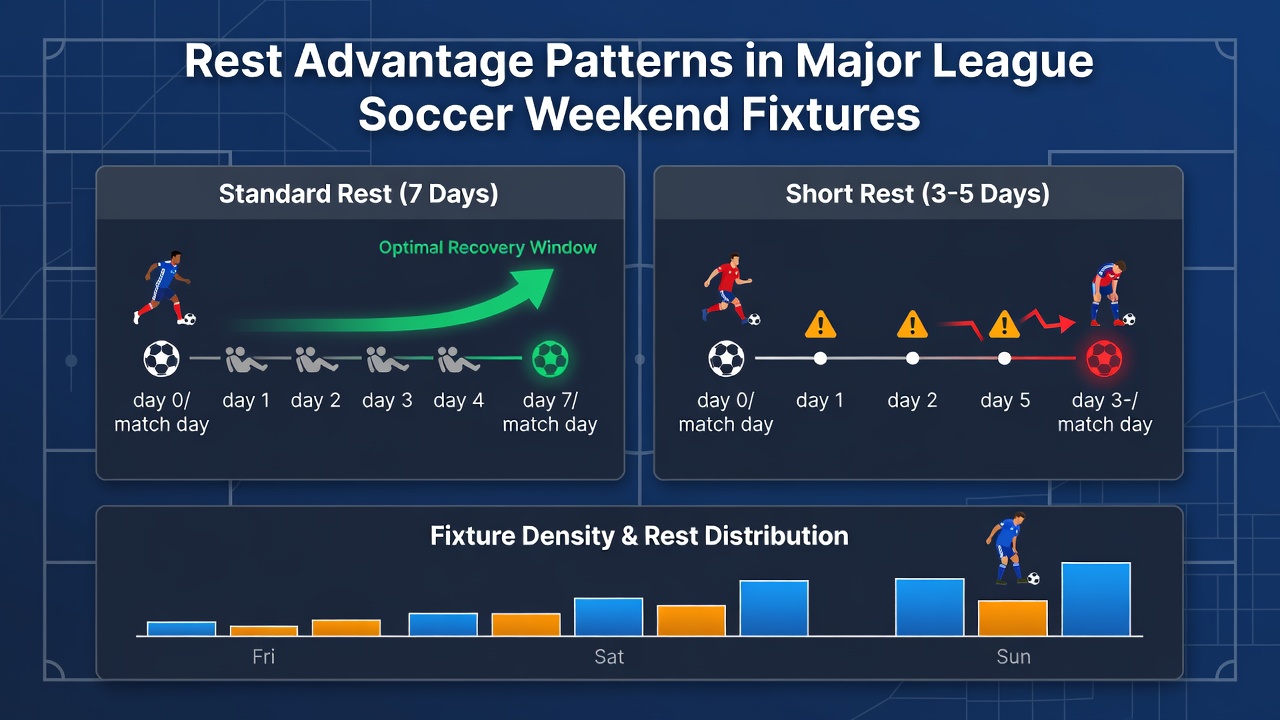
Major League Soccer schedules create distinct rest differentials between clubs each weekend, and observers track how those gaps influence match outcomes across the 2026 campaign. Teams often arrive at Saturday or Sunday fixtures after differing numbers of recovery days, since midweek games, travel demands, and international windows fragment the calendar. Researchers from sports science programs have examined these patterns by comparing results when one side enjoys an extra day or two of rest compared with its opponent. Data from recent seasons shows that clubs with at least 72 hours more recovery time post a higher points-per-game average in weekend contests. The advantage appears most pronounced during July stretches, when Leagues Cup obligations and regular-season fixtures overlap and force some squads into three games within eight days. League officials release the full schedule months in advance, yet weather delays and broadcast adjustments can still shift kickoff times and compress rest windows further.Schedule Density and Recovery Windows
MLS operates a 34-match regular season for each club, interspersed with cup competitions and international breaks that leave certain teams with shorter turnarounds. Weekend fixtures typically fall on Fridays, Saturdays, or Sundays, and analysts note that Friday evening matches often follow midweek games played on Tuesday or Wednesday. Clubs facing a Friday slot after a Wednesday contest receive roughly 48 hours between matches, whereas opponents scheduled for Sunday gain an additional 48 hours of preparation time.
Travel across time zones compounds the issue. Western Conference sides flying east for a Saturday game may land with less than 60 hours of rest, while the home team benefits from a full week since its previous outing. Figures released by the league's competition department indicate that cross-country trips occur more frequently during the summer months, when daylight saving time and heat advisories also affect training loads.
Performance Metrics After Varied Rest
Statistical reviews compiled by independent tracking firms reveal measurable differences in key indicators based on rest levels. Teams with three or more days between games post higher pass completion rates and fewer high-intensity sprints lost to fatigue. Defensive lines record fewer errors in the final 15 minutes when they enter the match with extra recovery time, according to aggregated event data.
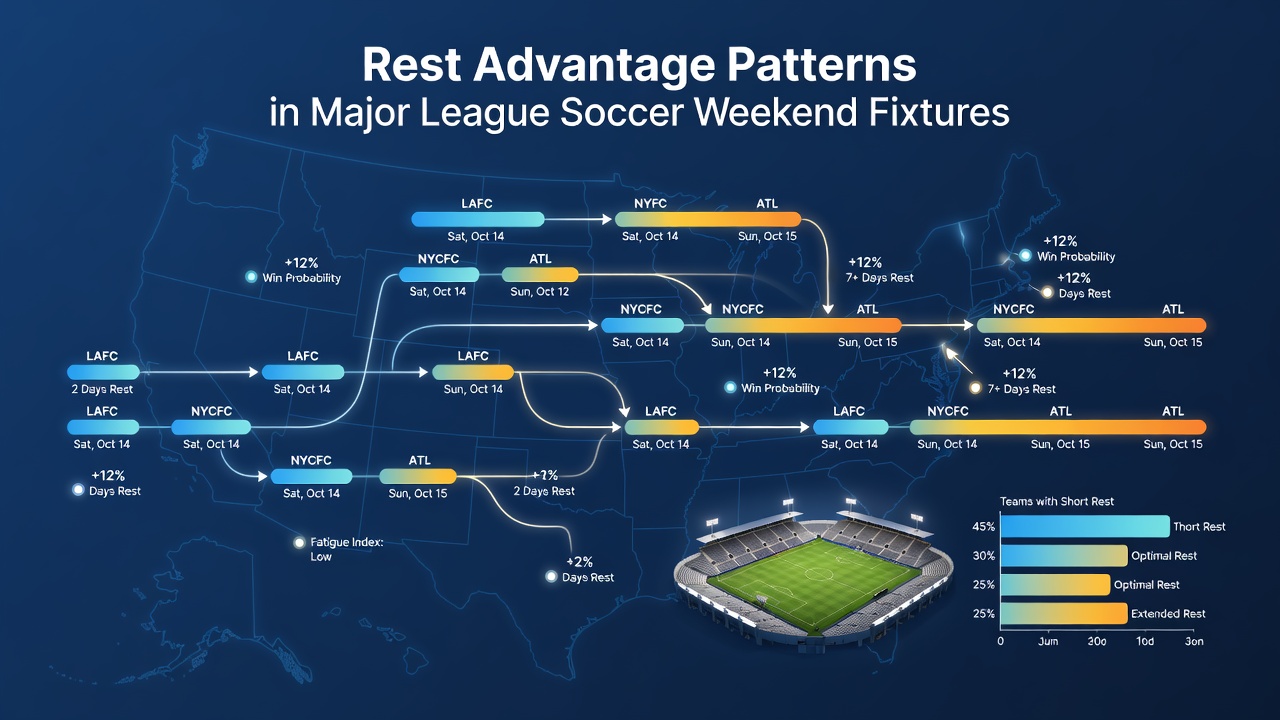
Coaches adjust lineups accordingly. Those with shorter rest windows frequently rotate central midfielders and fullbacks, while sides with longer preparation periods field stronger starting elevens. A study published by the University of Waterloo examined MLS matches from 2022 through 2025 and found that clubs rested at least four days won 41 percent of their weekend fixtures against opponents rested two days or fewer.
July 2026 Scheduling Realities
In July 2026 the calendar places several clubs in congested sequences because Leagues Cup group stage matches fall midweek before weekend league games resume. Eastern Conference teams playing Wednesday night in Canada or the Midwest sometimes travel directly to Sunday afternoon fixtures on the East Coast. Western clubs that remain at home during the same window gain a relative rest edge that shows up in second-half goal tallies.
Broadcast partners occasionally move matches to accommodate national television windows, which can shorten or extend rest by 24 hours. League data indicates that such adjustments occur in roughly 12 percent of weekend slots during the summer months. Observers therefore monitor official schedule releases and any subsequent amendments to identify where rest gaps widen or narrow before kickoff.
External Factors Influencing Rest Effects
Weather conditions interact with rest patterns. High-heat and humidity games in southern markets increase physical demands, so teams with extra recovery days manage substitutions more effectively. Turf quality at certain venues also varies after heavy rainfall, and grounds crews note that clubs arriving earlier can adapt training sessions to specific pitch conditions.
Player availability lists published each Friday provide additional context. When a team reports multiple international call-ups during a short turnaround, the remaining squad members may carry heavier minutes despite favorable rest on paper. Medical staff track muscle-load data through wearable technology, and those reports often correlate with the rest differentials already present in the schedule.
Conclusion
Rest differentials in Major League Soccer weekend fixtures arise from a combination of fixed scheduling, travel logistics, and occasional broadcast changes. Quantitative reviews link extra recovery time to improved technical metrics and results, particularly during the condensed July period of 2026. Clubs, analysts, and researchers continue to examine these variables through league-provided data and independent studies to understand how rest patterns shape weekend outcomes across conferences.