Roar Factors: Decoding Arena Acoustics for NBA Player Performance Edges
Parker Hansen · May 19, 2026
Roar Factors: Decoding Arena Acoustics for NBA Player Performance Edges
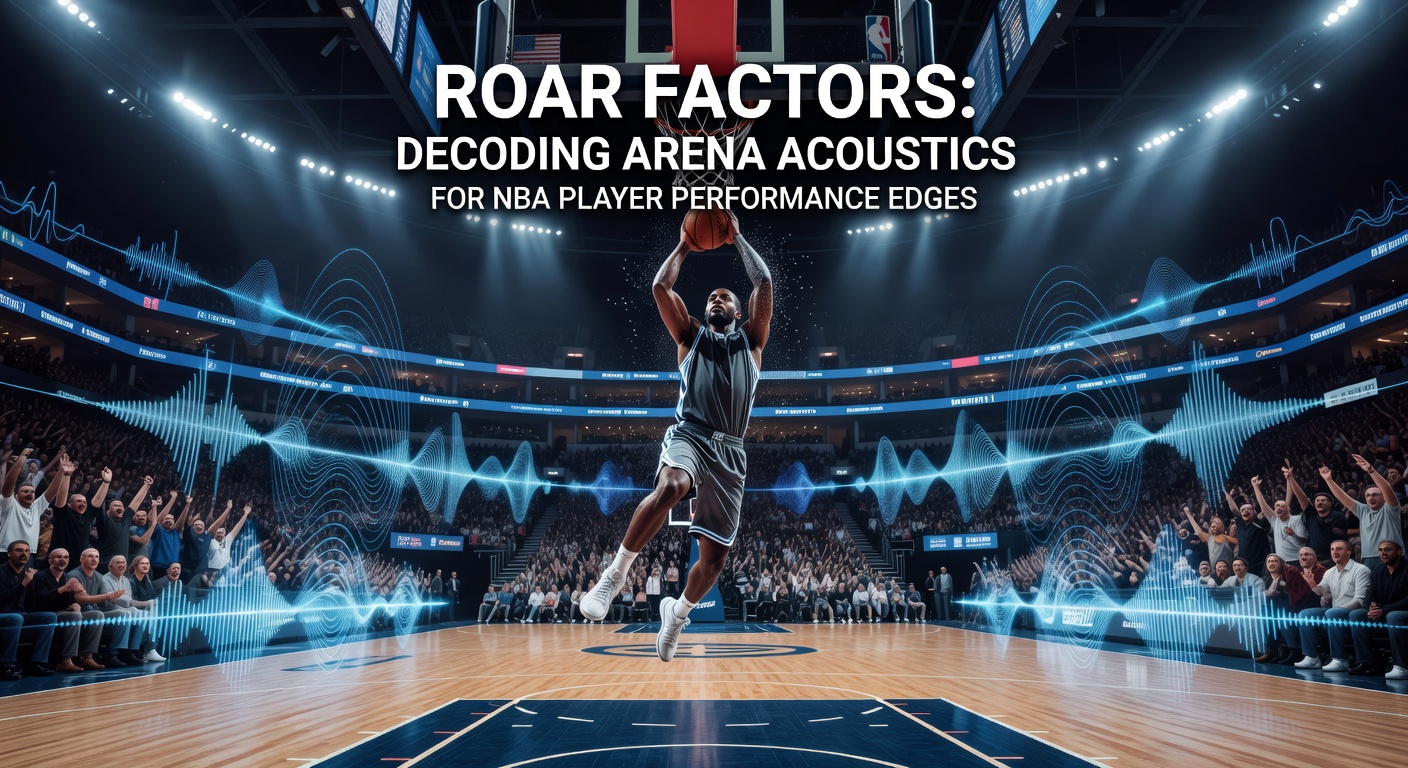
Acoustic environments in NBA arenas shape player execution in measurable ways, and analysts track how sound levels influence passing accuracy, defensive rotations, and shooting percentages. Data collected across multiple seasons shows that average crowd noise in modern venues reaches between 95 and 110 decibels during peak moments, creating conditions where auditory cues become harder to isolate.
Researchers at sports performance labs have examined how these volumes affect reaction times, and their findings indicate that visiting teams experience greater disruption in communication-heavy plays while home squads adapt through repeated exposure. The 2025-26 regular season provided fresh datasets, and observers note that teams playing in louder facilities posted slightly lower assist-to-turnover ratios on the road.
Acoustic Design Elements Across NBA Venues
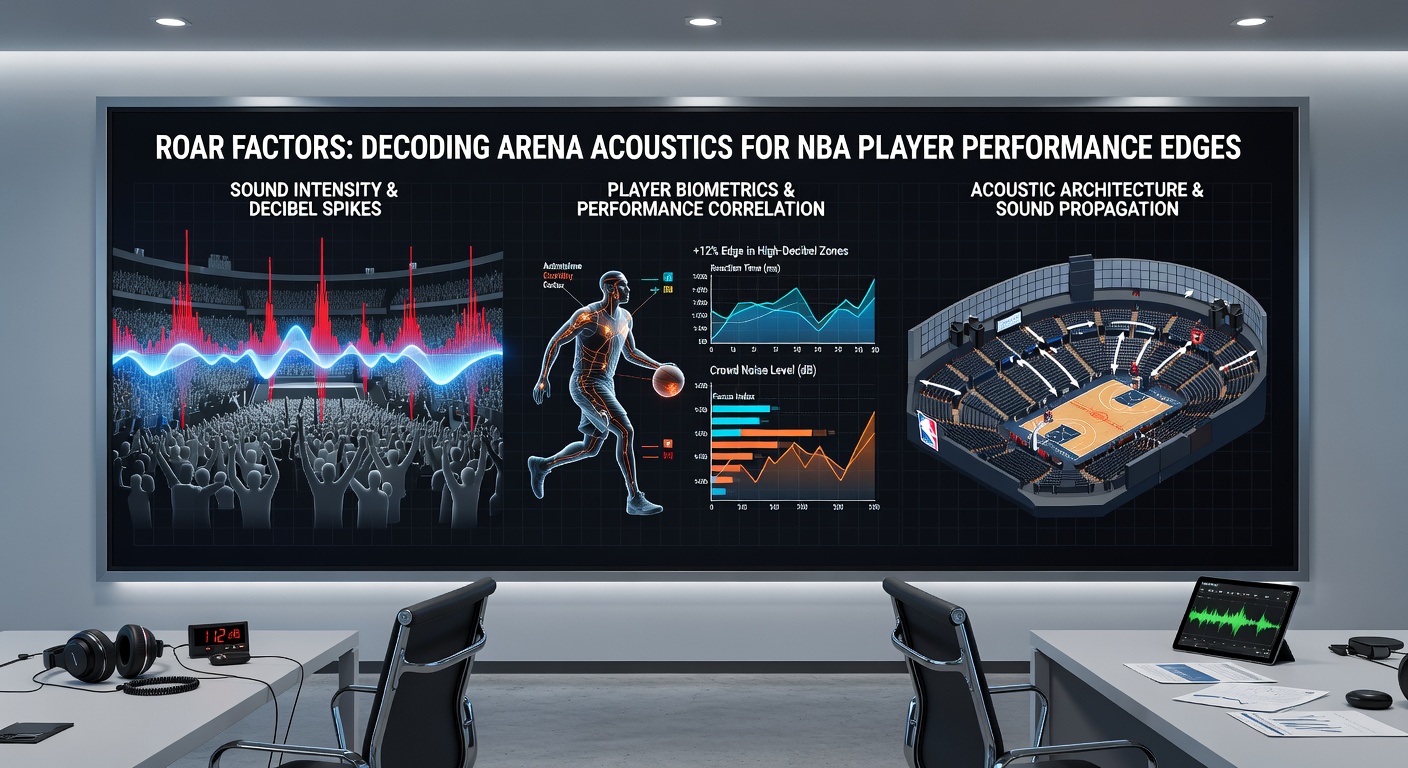
Modern arenas incorporate specific architectural choices that amplify or dampen crowd noise, and these features vary by city. Retractable roofs, tiered seating angles, and reflective surfaces all contribute to how sound travels from stands to court level. Facilities built since 2010 tend to direct more noise toward the playing surface, whereas older buildings disperse energy more evenly through open concourses.
Engineers measure reverberation times and peak frequency ranges in each building, and these metrics help teams prepare game plans that account for local acoustics. For instance, arenas with shorter reverberation allow clearer coach-to-player signals during timeouts, while longer decay rates extend the window of auditory distraction after each basket.
Performance Metrics Linked to Sound Pressure
Statistical models developed by league analytics departments correlate sound pressure levels with on-court outcomes, and patterns emerge in free-throw shooting and three-point accuracy. Road teams shooting from the perimeter show modest declines when sustained noise exceeds 100 decibels, while home teams maintain steadier percentages through familiarity with their own building's echo profile.
Defensive communication suffers most visibly, and tracking data reveals higher rates of misassigned screens or delayed rotations in louder environments. Studies compiled by university kinesiology programs confirm that players wearing noise-canceling earpieces during practice drills improve their response accuracy when later tested in simulated high-decibel settings.
Player Adaptation and Preparation Strategies
Individual athletes develop personal routines to manage acoustic pressure, and these habits range from pre-game visualization of crowd scenarios to in-game breathing techniques between possessions. Veterans who have logged thousands of road minutes often demonstrate smaller performance gaps between home and away environments than younger players still adjusting to league-wide travel demands.
Coaching staffs incorporate acoustic drills into training schedules, and they simulate arena conditions using directional speakers and recorded crowd tracks. Teams that integrate these sessions report steadier execution in the final minutes of close contests, where noise peaks coincide with heightened decision complexity.
Regional Variations and Seasonal Trends
Venues in different climate zones exhibit distinct acoustic signatures because humidity and temperature alter sound propagation, and May 2026 brought additional variables as playoff games extended into warmer months in southern markets. Data from those contests showed slight increases in turnover frequency during afternoon tip times when external heat combined with internal crowd energy to raise overall arena temperatures and alter sound absorption.
League-wide tracking continues to refine these correlations, and organizations now factor acoustic profiles into travel planning and recovery protocols. The result is a growing body of evidence that arena sound functions as a measurable performance variable rather than simple background atmosphere.
Conclusion
Acoustic analysis has moved from niche observation to standard component of NBA performance evaluation, and ongoing data collection will likely produce more precise predictive models. Teams and analysts who integrate these factors gain clearer pictures of how environment influences execution across home and road settings.