Spotting Discrepancies in Asian Handicap Lines for AFC Champions League Games
Parker Hansen · Jul 21, 2026
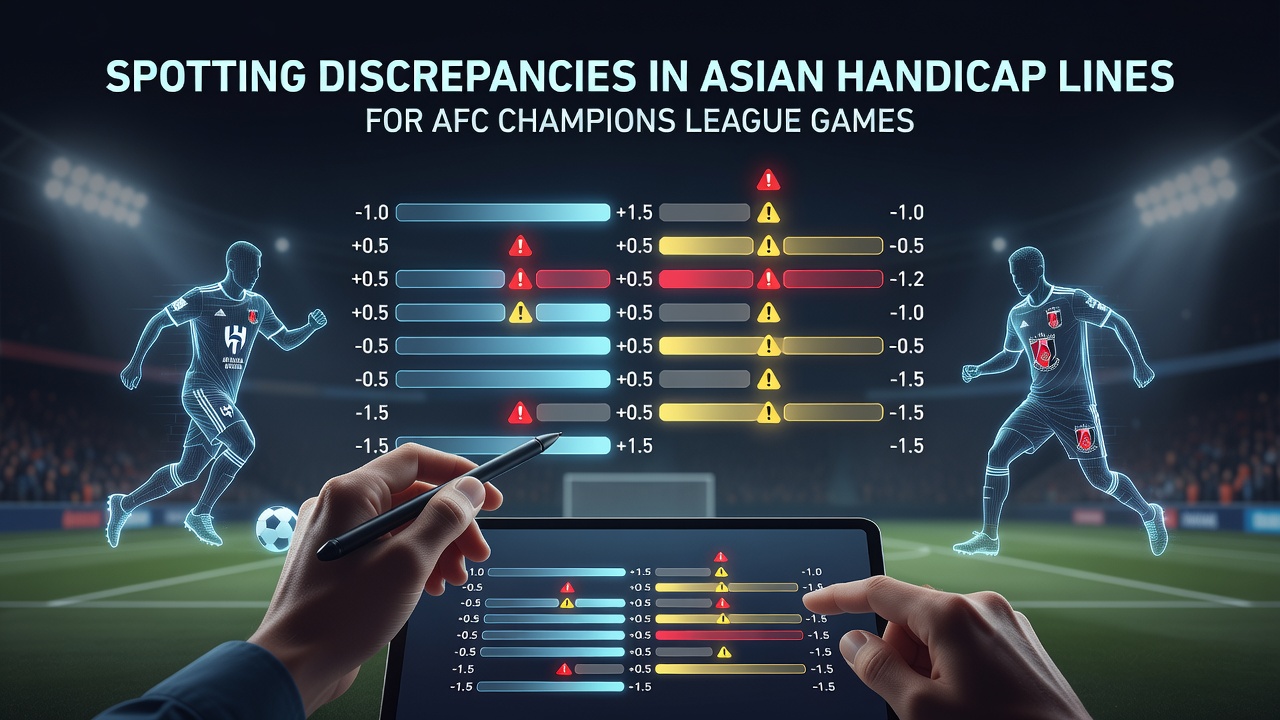
Spotting Discrepancies in Asian Handicap Lines for AFC Champions League Games
Asian Handicap lines in AFC Champions League matches create distinct patterns that bettors track through systematic comparison of pricing across operators and regions. These lines adjust for team strength differences by giving virtual starts or deficits yet variations emerge when bookmakers receive uneven information flows or when regional betting volumes shift rapidly during the tournament calendar.
Understanding Line Formation in AFC Competitions
Bookmakers establish initial Asian Handicap quotes based on team form, head-to-head records, travel distances across Asia, and squad rotation data. Data from recent seasons shows that clubs from East Asia often receive different treatment compared with West Asian sides because of varying styles of play and fixture congestion. Observers note that lines can differ by as much as a quarter goal between early and late morning releases when European and Australian markets open at staggered times.
Discrepancies arise because operators in different jurisdictions weight factors such as humidity effects in Southeast Asian venues or altitude impacts in Central Asian stadiums at unequal rates. Those who monitor multiple exchanges report that sharp action on one side of a line frequently forces smaller books to shade their numbers within minutes, creating temporary windows where the same match carries inconsistent pricing.
Key Indicators of Pricing Gaps
Line movement velocity serves as one reliable signal. When several operators move a handicap simultaneously while others lag, the slower books reveal exposure levels that can be compared directly. Research from sports analytics groups indicates that matches involving teams crossing multiple time zones produce the largest initial spreads, particularly in group-stage fixtures scheduled for July 2026 when the expanded league format resumes after the summer break.
Comparing Markets Across Time Zones
European books tend to open conservatively on ACL games while Asian operators adjust faster to local intelligence about training-ground injuries or weather forecasts. This creates measurable offsets. Figures from industry reports reveal that a 0.25-goal difference appears in roughly one in five high-profile ties, especially when a Japanese or Korean side faces a Gulf opponent. Bettors cross-reference these offsets by logging timestamps and noting which books react first to incoming money.
Practical Comparison Techniques
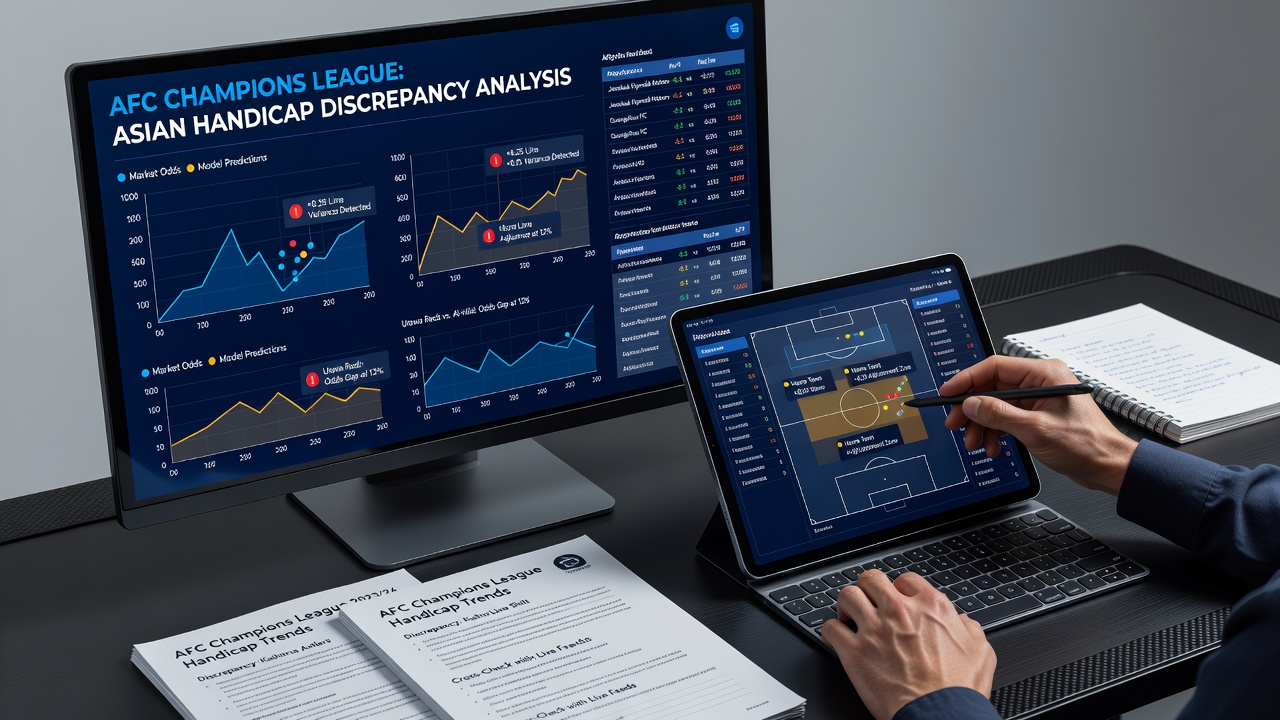
One effective method involves maintaining parallel spreadsheets that record opening and closing lines from at least five licensed operators. When a line moves against the general market direction on a single book, that movement often signals either sharp money or a correction of an earlier mispricing. According to data compiled by the Asian Racing Federation, such isolated shifts occur more frequently in midweek ACL rounds because liquidity remains lower than in domestic leagues.
Another approach tracks the relationship between full-time and half-time Asian lines. Discrepancies between these two markets can highlight situations where second-half dynamics diverge from first-half expectations. Historical records show that teams with strong bench depth frequently outperform their opening handicap in the second period, prompting operators to adjust live lines at different speeds.
Regional Regulatory Context and Data Sources
Operators licensed under frameworks such as those administered by the Mauritius Gambling Regulatory Authority and the New South Wales Liquor and Gaming Authority publish aggregated market data that researchers use to identify systematic pricing differences. These datasets help quantify how often lines on AFC matches diverge by measurable margins before kickoff.
Monitoring Tools and Timing
Software that scrapes odds in real time allows rapid detection of gaps, yet manual verification remains essential because feeds occasionally contain errors. Observers recommend focusing on matches where one team travels across more than four time zones, as these fixtures generate the widest initial spreads. July 2026 scheduling places several such encounters in the opening weeks of the new league phase, increasing the number of opportunities for line comparison.
Volume spikes on particular sides of a handicap often precede public line moves. When one operator absorbs significant stakes while others remain static, the resulting offset creates a measurable edge that closes once the broader market incorporates the information.
Conclusion
Systematic tracking of Asian Handicap lines across multiple operators reveals recurring pricing gaps in AFC Champions League games. These gaps stem from staggered market openings, differing regional risk models, and varying liquidity levels. Observers who compile timestamped records and cross-reference movement patterns gain access to objective differences that exist between books. As the 2026 season unfolds, the same analytical framework continues to apply to new fixtures and expanded league formats.