Squad Depth Utilization During Fixture Congestion Periods in Portuguese Primeira Liga
Ben Flores · Aug 8, 2026
Squad Depth Utilization During Fixture Congestion Periods in Portuguese Primeira Liga
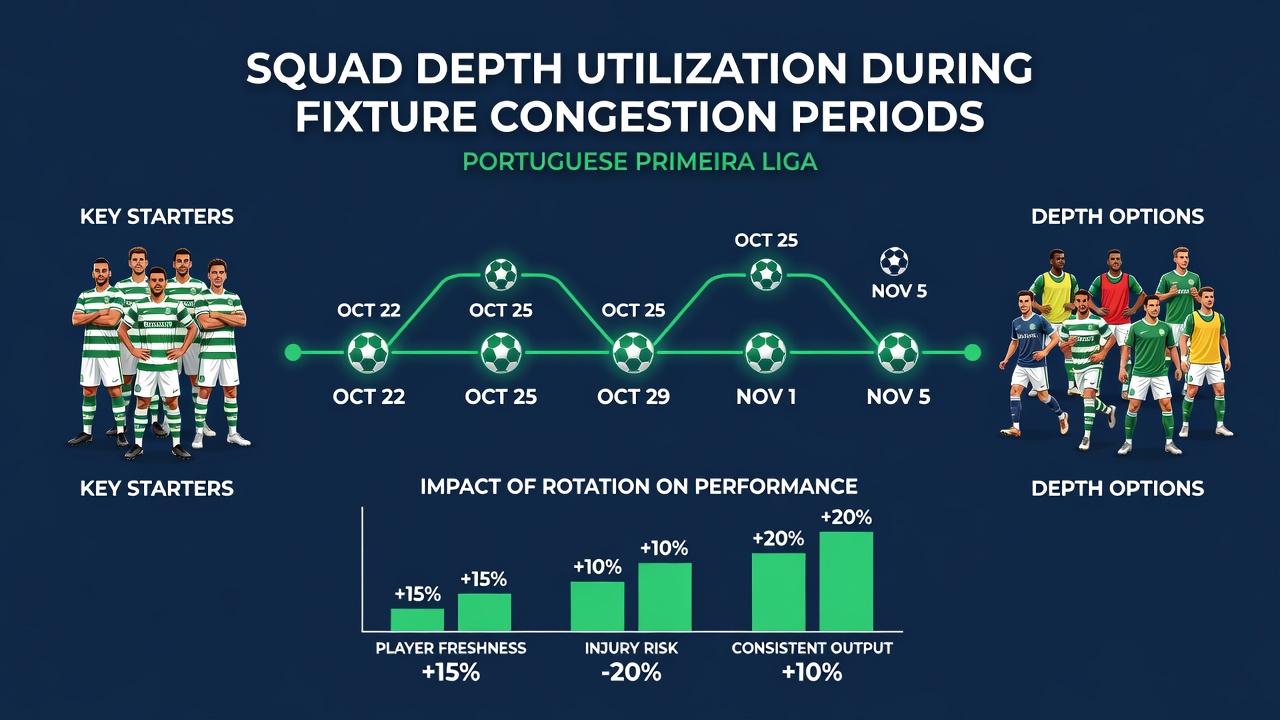
Fixture congestion creates recurring challenges across the Portuguese Primeira Liga, where domestic cup ties, European commitments, and league fixtures often cluster within short windows. Teams face multiple matches per week, and data from recent seasons shows that clubs with broader squad options maintain steadier results during these stretches. Observers note patterns where depth allows managers to distribute minutes without sharp drops in output, while shallower squads encounter increased fatigue markers and injury reports.
Patterns of Congestion in the Portuguese Calendar
The league schedule, combined with Taça de Portugal rounds and continental campaigns, produces periods of three matches in eight or nine days on several occasions each season. Figures from the 2024-2025 campaign revealed that clubs involved in European group stages averaged 2.8 fixtures per week during October and November blocks. Those without European football still encountered spikes around national team windows and cup replays, though the intensity remained lower overall. Researchers tracking GPS data across the league recorded elevated total distance covered and high-speed running loads during these clusters, with recovery windows shrinking to 48-72 hours in many cases.
Coaches respond by monitoring individual workloads through heart-rate variability and neuromuscular testing, then adjusting training loads accordingly. Data indicates that teams maintaining at least 18 players with first-team minutes in the prior month show fewer late-game concessions compared with sides relying on fewer than 14 regulars. The difference appears most pronounced in matches decided by single goals, where fresh substitutes influence both defensive organization and transitional play.
Rotation Approaches Across Squad Sizes
Clubs with deeper benches tend to rotate entire units rather than isolated positions. Midfield and full-back areas receive particular attention because these roles accumulate high physical demands across consecutive games. One study of Primeira Liga matches found that sides rotating at least two midfielders between congested fixtures preserved pass completion rates above 82 percent, whereas minimal rotation correlated with drops below 78 percent in the third match of a cluster. Goalkeepers rarely rotate unless injury intervenes, yet backup options still train alongside starters to ensure seamless transitions when required.
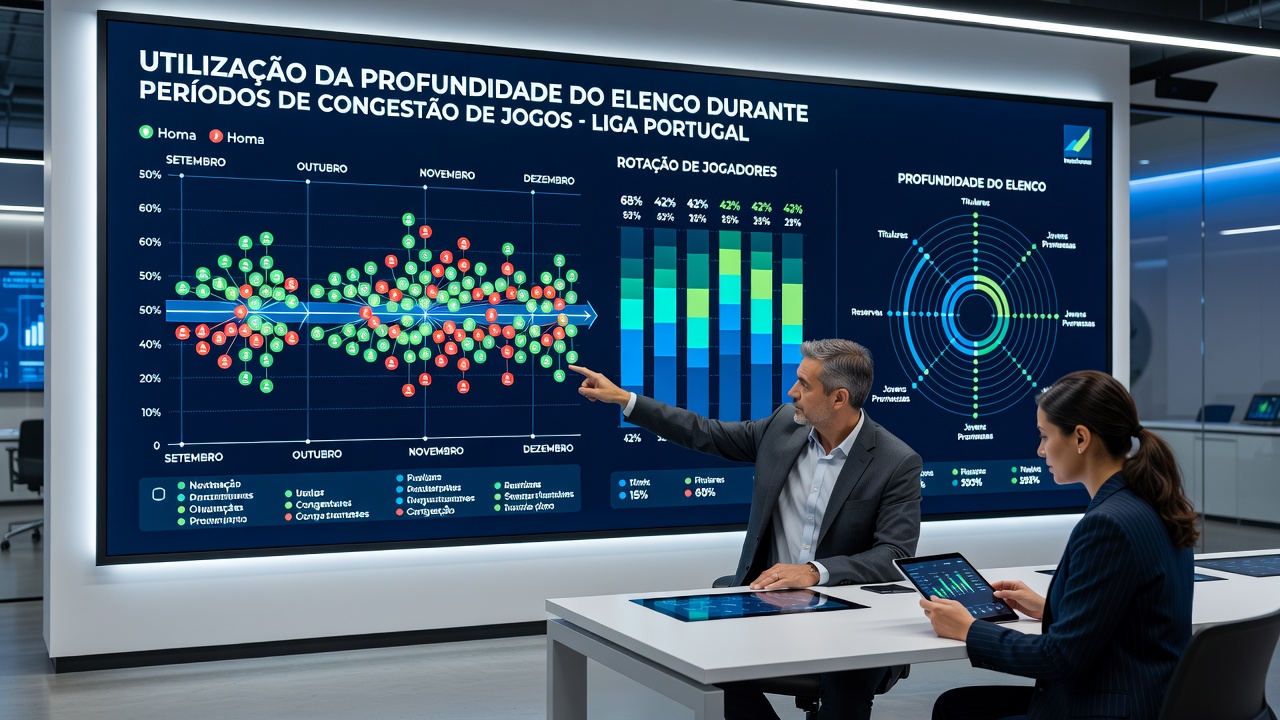
Youth academy graduates often fill bench spots during these periods, and several clubs have integrated 19- and 20-year-olds into matchday squads without long-term developmental setbacks. League-wide statistics show that minutes distributed to players under 21 rise by roughly 12 percent during December and January congestion windows, reflecting both necessity and strategic planning. Larger squads absorb these demands more evenly, while smaller groups lean on tactical discipline to offset reduced personnel variety.
Performance Metrics and Recovery Indicators
Objective measures collected by clubs and third-party analysts highlight clear trends. Teams that spread starting appearances across 20 or more players during congested stretches post lower soft-tissue injury rates, according to aggregated medical reports submitted to the league. Sprint volume per player declines modestly when rotations occur systematically, yet team-level high-intensity actions remain stable because replacements maintain comparable output levels. Recovery protocols incorporate cryotherapy, nutrition timing, and sleep monitoring, with clubs reporting adherence rates above 90 percent during peak periods.
August 2026 will mark teh opening of the 2026-2027 season, and early calendar congestion is already visible with European qualifiers overlapping the first league rounds. Pre-season testing data shared by several clubs shows that players returning from international duty carry elevated baseline fatigue scores, prompting earlier introduction of rotation strategies. Historical patterns suggest that squads entering this window with greater depth experience fewer disruptions in the opening month.
Comparative Outcomes Among League Clubs
Porto, Benfica, and Sporting CP have historically fielded the largest squads and demonstrate the most consistent results across congested sequences. Mid-table sides with narrower resources post more variable performances, yet some maintain competitive records through conservative tactics and set-piece emphasis. Lower-table clubs face the steepest challenges, with available data linking limited depth to higher rates of player absences after three matches in ten days.
External analysis from the European Club Association underscores how financial investment in squad size correlates with fixture resilience across multiple European leagues, including Portugal. Separate findings published by sports science departments at Portuguese universities reinforce that structured rotation reduces creatine kinase spikes, a common marker of muscle damage, by measurable margins.
Conclusion
Squad depth utilization in the Portuguese Primeira Liga during fixture congestion rests on measurable patterns of rotation, workload monitoring, and recovery management. League data, medical records, and performance statistics together illustrate how clubs distribute minutes across wider player pools to sustain output when matches arrive in rapid succession. As the calendar moves toward August 2026, these established approaches will again determine how effectively teams navigate overlapping domestic and European demands.