Tracing Schedule Density Effects on Recovery Indicators Across Continental Club Competitions
Freya Hansen · Jun 23, 2026
Tracing Schedule Density Effects on Recovery Indicators Across Continental Club Competitions
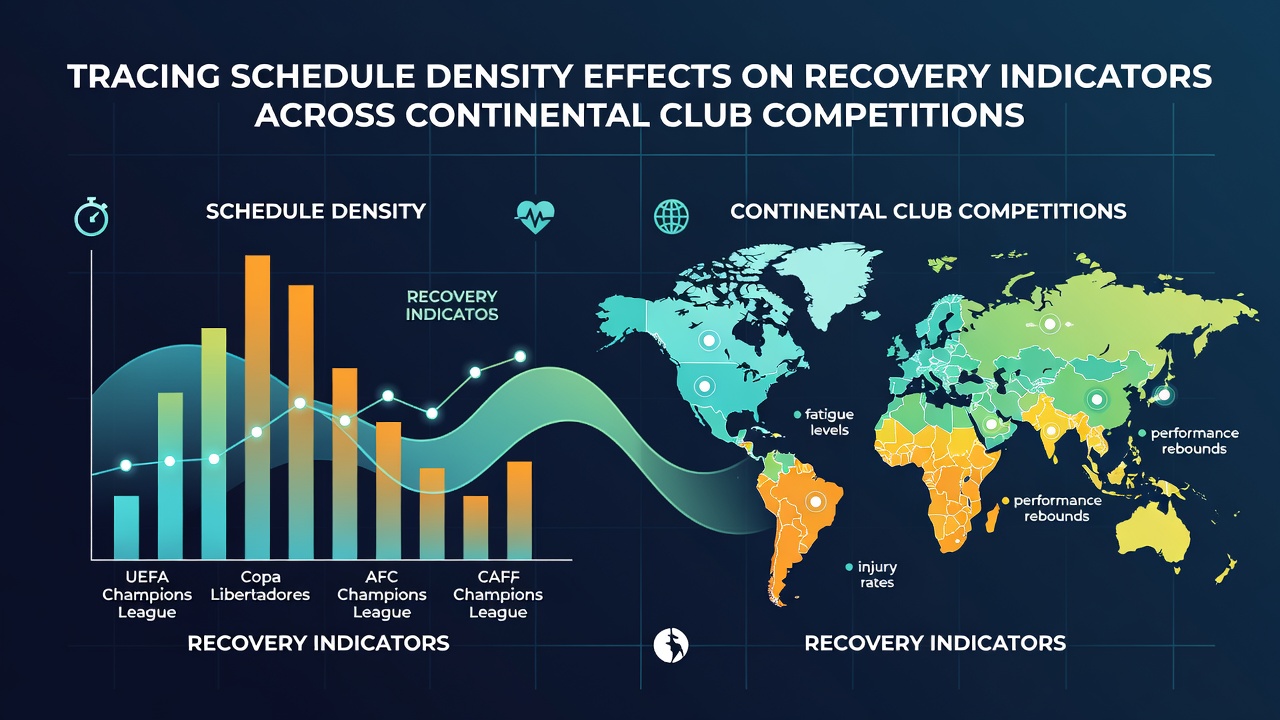
Continental club competitions place intense demands on squads that juggle domestic leagues with midweek fixtures across Europe and observers note how fixture congestion shapes recovery patterns in measurable ways. Researchers have tracked variables such as muscle soreness scores, heart rate variability, sleep duration, and injury incidence rates through wearable technology and medical logs, and data from multiple seasons reveal consistent correlations between match density and these indicators.
Schedule Patterns in Major Competitions
Teams participating in the UEFA Champions League or Europa League often face sequences where three matches occur within eight days, and this pattern repeats across autumn and spring phases while domestic obligations continue without interruption. Studies compiled by the German Football League and academic partners show that clubs advancing deep into knockout stages accumulate between 55 and 65 matches per season, compared with 40 to 45 for sides eliminated early. These differences create divergent recovery windows that affect subsequent performance metrics.
June 2026 marks the conclusion of the 2025/26 campaign under the expanded league-phase format introduced two years earlier, and preliminary figures from participating federations indicate an average increase of two to three additional matches per club that reaches the knockout rounds. That added volume compresses preparation periods between games and reduces the number of full rest days available for regeneration protocols.
Measured Recovery Indicators
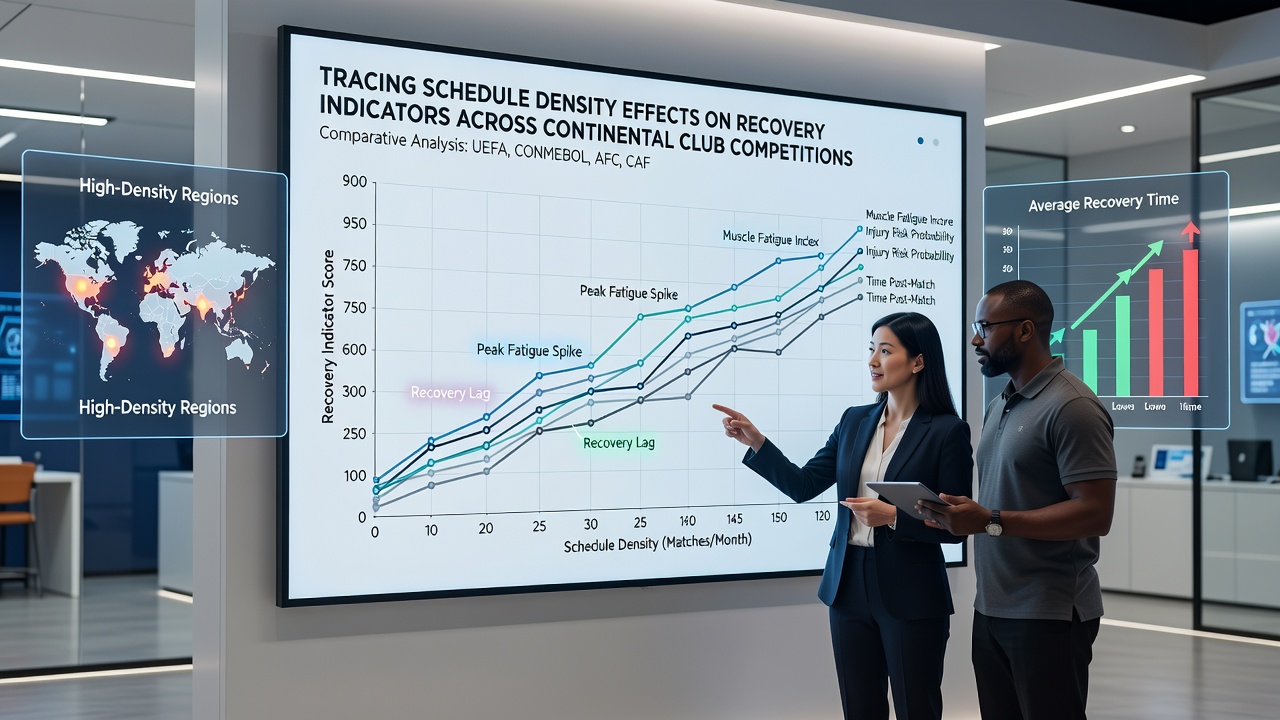
Heart rate variability drops measurably when players complete three matches inside a seven-day window, according to longitudinal monitoring conducted by sports science departments at several top European clubs. Sleep tracking data collected via validated wrist devices further demonstrate reductions of 45 to 70 minutes per night during such periods, while subjective soreness questionnaires record elevated ratings persisting up to 72 hours post-match. These physiological shifts align with documented rises in soft-tissue injury reports filed with league medical committees.
One analysis of Bundesliga and Serie A participants spanning five seasons found that teams averaging fewer than four days between fixtures recorded hamstring strain rates 18 percent higher than squads enjoying standard recovery intervals. The same dataset linked elevated match density to slower return-to-play timelines for players who sustained contact injuries during congested blocks.
Comparative Data Across Leagues
Observers tracking the English Premier League alongside La Liga note that fixture lists in England produce slightly higher average match counts because of domestic cup commitments, yet Spanish clubs involved in continental ties experience comparable density when travel distances increase. Reports from the Australian Institute of Sport, which has collaborated on European recovery research, highlight that transcontinental flights compound sleep disruption beyond the effects of fixture frequency alone. Both factors interact to extend the time required for full neuromuscular restoration.
Training load adjustments become necessary when schedules tighten, and clubs that reduce high-intensity sessions by 15 to 20 percent during peak periods show smaller declines in subsequent match output according to GPS-derived metrics. Those who maintain normal loads despite limited recovery windows encounter steeper drops in sprint volume and high-speed running distances in the following fixture.
Strategic Responses by Clubs
Medical and performance staff rotate squad members more aggressively once fixture density exceeds established thresholds, and rotation patterns differ between clubs with larger versus smaller squads. Data shared by the European Club Association indicate that sides with at least 22 players logging significant minutes across competitions maintain more stable recovery profiles than those relying on narrower groups. This rotation strategy requires careful monitoring of individual workloads to avoid cumulative fatigue that surfaces weeks later.
Nutrition timing and cryotherapy protocols receive heightened attention during compressed schedules, while sleep hygiene education programs gain emphasis because small gains in nightly rest accumulate across repeated short cycles. Clubs that integrate these measures report marginally better preservation of key performance indicators through the latter stages of a season.
Conclusion
Schedule density directly influences recovery indicators across continental club competitions through measurable changes in physiological and performance data. Continued collection of standardized metrics across multiple leagues will allow clearer identification of thresholds where risk accelerates, and federations continue refining calendar structures to balance competitive and welfare considerations.